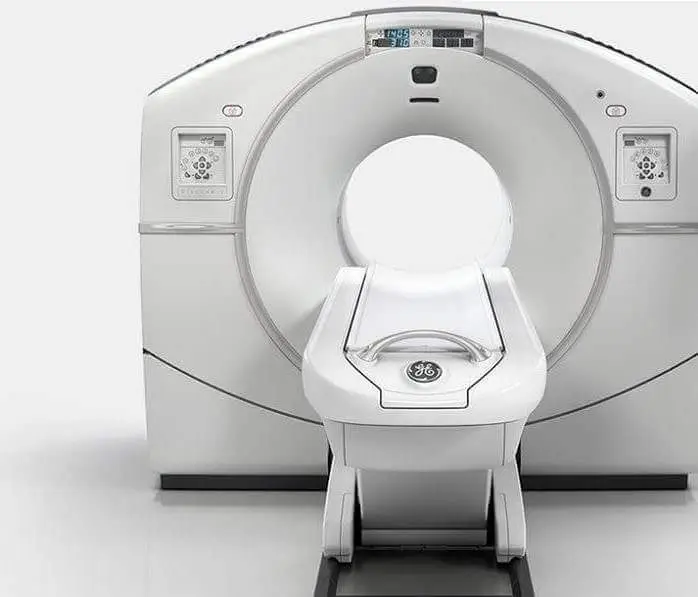
We have in-house Radiologist at MRI Chandigarh so, you will get same day report with accurate results.
We provide free pick and drop facility for our patients in tricity for MRI, CT Scan, PSMA PET Scan, DOTA PET Scan and PET Scan @ ₹12,999 in Chandigarh.
We are equipped with World Class MRI Scan Facility at Reasonable pricing. With best in class skilled technicians.
Get a comfortable MRI scan in Chandigarh using high-quality 1.5T and 3T machines with expert reporting and transparent, patient-friendly pricing.
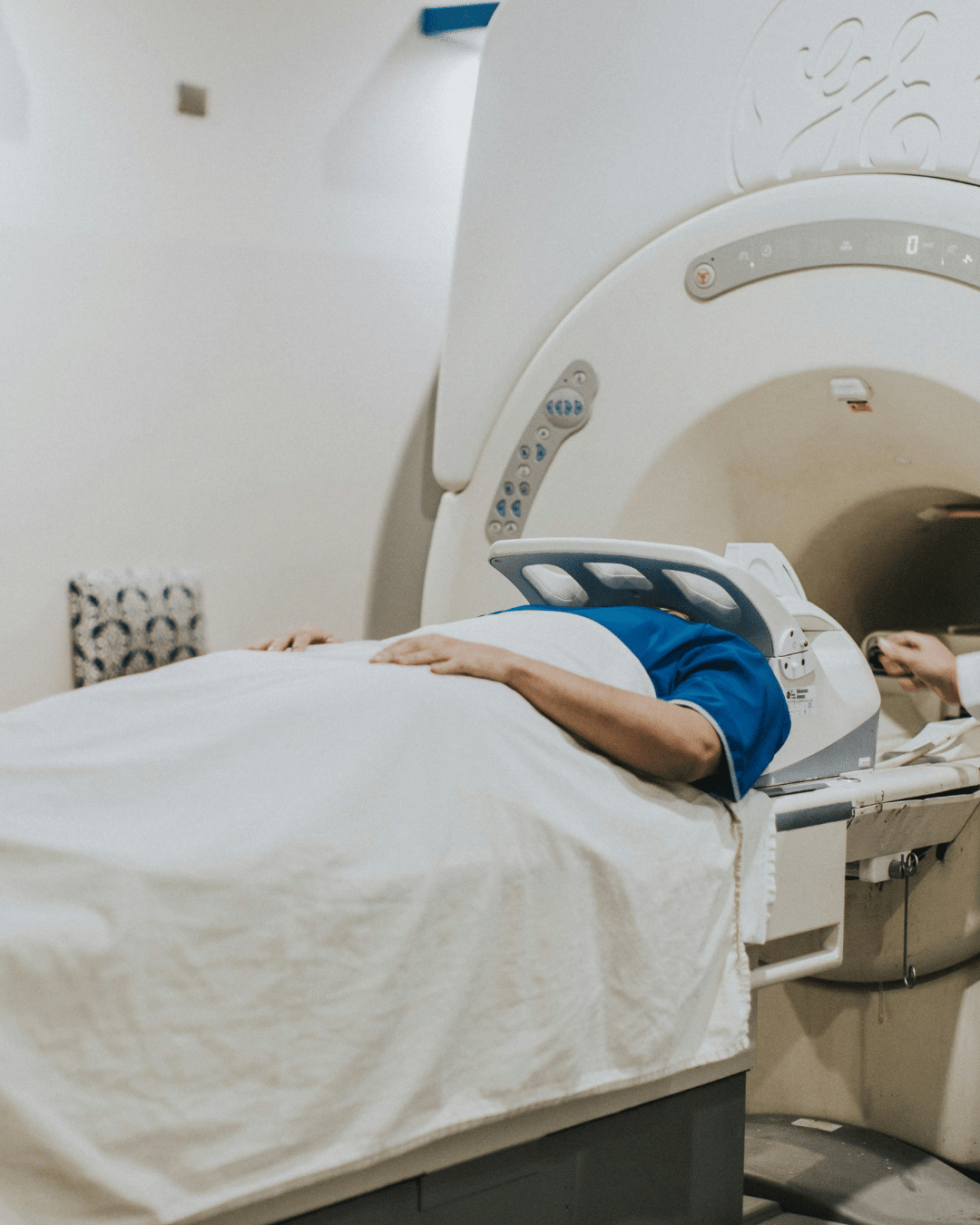
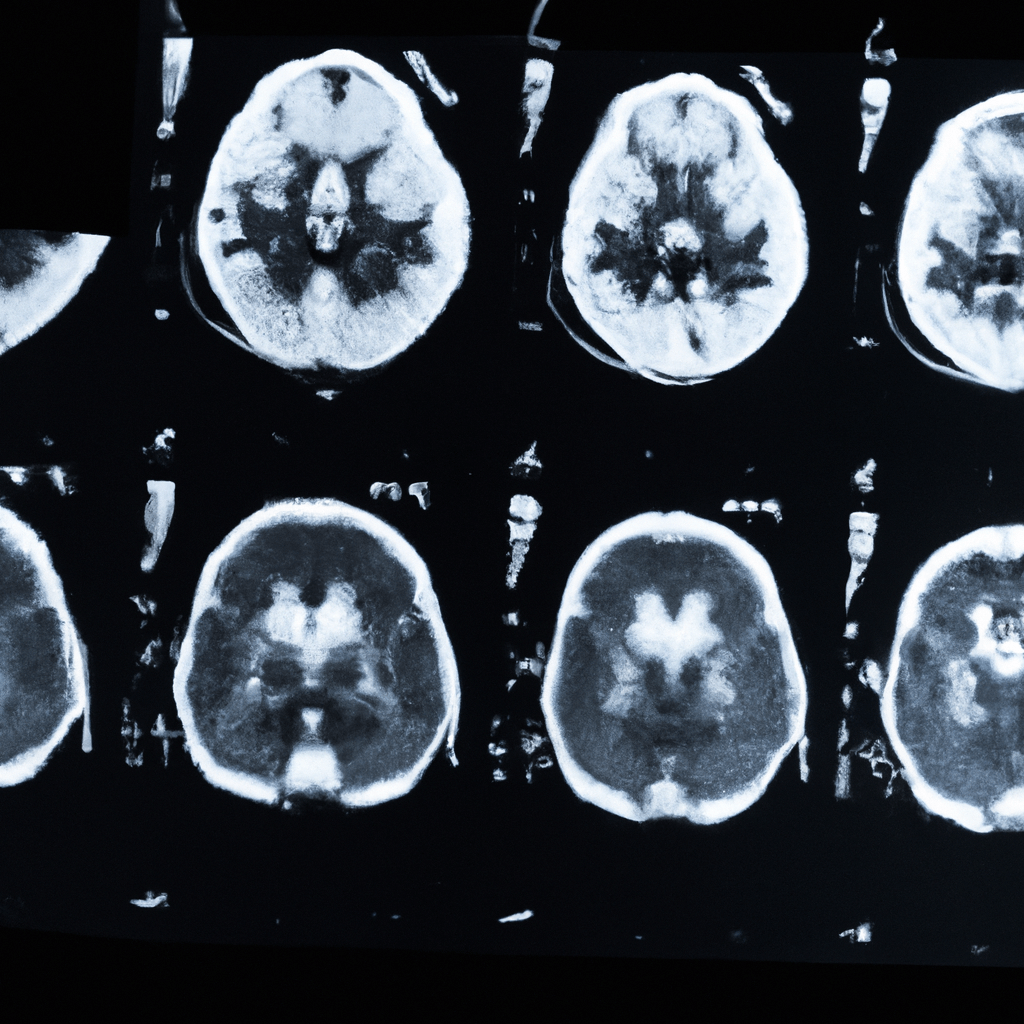
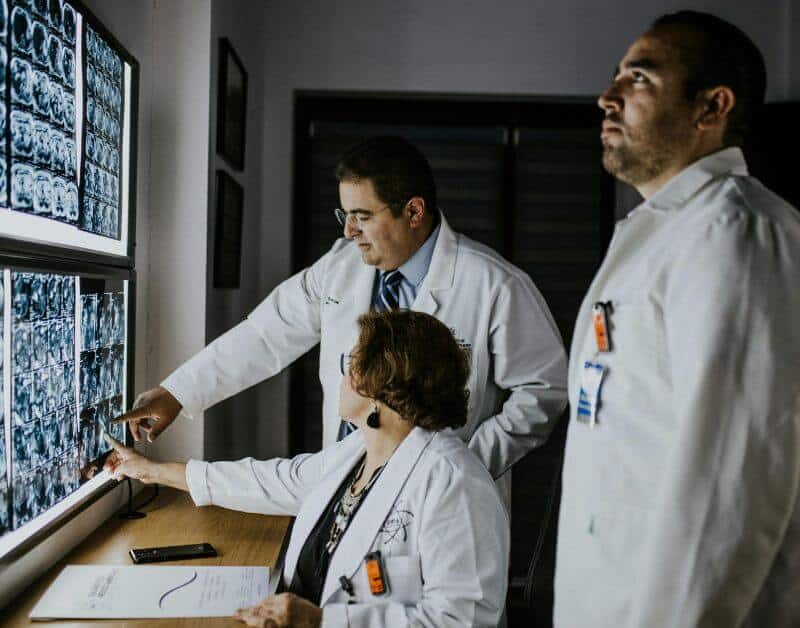
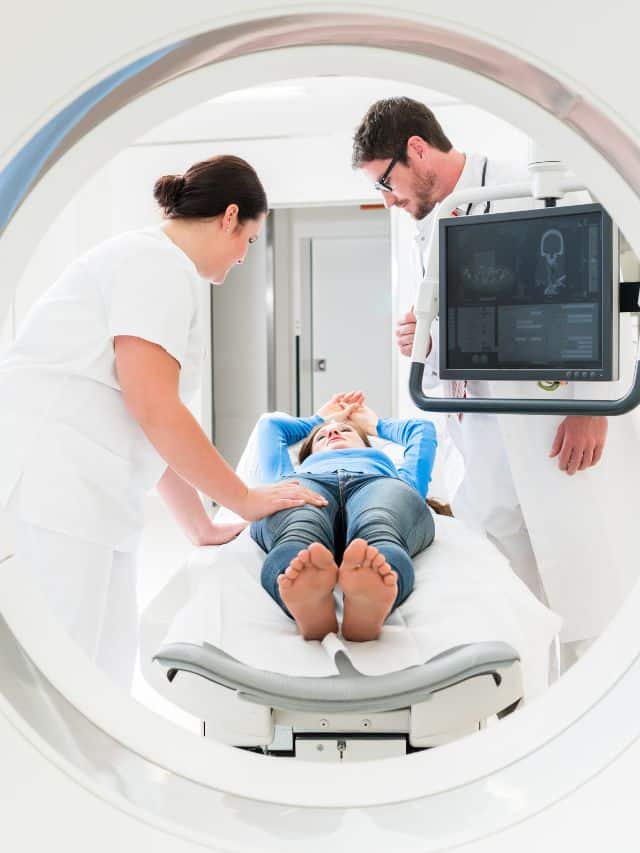
MRI Chandigarh is your one-stop destination for advanced medical imaging and diagnostic services in Chandigarh. As one of the most trusted MRI centres in Chandigarh, we provide cutting-edge radio-imaging solutions, including both 1.5 Tesla and 3 Tesla MRI scans, at highly competitive prices—without compromising on quality.
We offer quick, accurate, and affordable MRI scans in Chandigarh with no hidden charges. Our experienced radiologists ensure timely results and, if needed, offer recommendations for further medical consultation based on your MRI report.
The cost of an MRI scan in Chandigarh varies depending on the type of scan and the diagnostic center. Prices typically start from ₹3,800 to ₹5,500. For example, 1.5 Tesla MRI scans may begin at ₹3,800, while 3 Tesla MRI scans are priced higher due to their advanced imaging capabilities. It's advisable to contact local MRI centers for precise pricing.
Preparation for an MRI scan generally involves minimal steps. For most MRI scans, you can maintain your regular diet. However, for abdominal scans, fasting for 3-4 hours prior to the procedure may be required. Wear loose-fitting, metal-free clothing, and inform your radiologist about any existing medical conditions, allergies, or implants.
Yes, MRI scans are generally considered safe as they do not use ionizing radiation. However, patients with certain implants like pacemakers should inform their doctor beforehand. It's crucial to remove all metal objects before the scan to prevent any risks associated with the MRI's strong magnetic field.
The duration of an MRI scan depends on the area being examined but typically ranges from 15 minutes to over an hour. For instance, a brain MRI may take about 30 to 60 minutes, while joint MRIs like knee or shoulder can take 15 to 45 minutes. Advanced 3 Tesla MRI machines can perform scans faster, enhancing patient comfort.
Chandigarh hosts several reputable MRI centres equipped with state-of-the-art technology and experienced radiologists. Centers like MRI Chandigarh are known for their advanced imaging services, including 1.5 Tesla and 3 Tesla MRI scans, and patient-centric care. It's recommended to research and choose a center that best fits your diagnostic needs.
While some diagnostic centers may allow self-referred MRI scans, it's advisable to consult with a healthcare professional to ensure the appropriateness of the scan and to provide the necessary clinical context for accurate interpretation.
Yes, certain MRI centres in Chandigarh offer complimentary pick-up and drop-off services within the Tricity area (Chandigarh, Mohali, Panchkula) to enhance patient convenience. It's best to inquire with the specific MRI center about the availability of such services. We provide free pick and drop in tricity for all scans including CT Scan & PET Scan too.
We are the leading diagnostic centre in Chandigarh providing comprehensive radio diagnostic services including MRI, CT Scan, PET Scan, Ultrasound, X-ray, Echocardiogram, ECG, and EEG at affordable rates with same-day reporting.
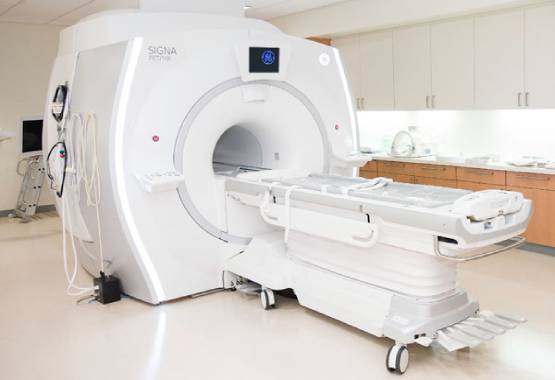
Experience the most comfortable and advanced MRI scans in Chandigarh with our high-field strength 1.5 Tesla and 3.0 Tesla machines. Our state-of-the-art MRI technology delivers exceptional quality diagnostic images for accurate results. Located in Sector 34, we provide the most reliable MRI services in Chandigarh Tricity at affordable rates.
Our Chandigarh diagnostic center provides world-class CT Scan facilities at the most competitive prices in the tricity region. Equipped with low-radiation dose CT scanners and operated by skilled technicians, we ensure the safest and most accurate CT scan services in Chandigarh, Mohali and Panchkula area.
Get the most affordable PET scan in Chandigarh at just Rs.16,000, the lowest price in the tricity region. Our all-inclusive package offers free pickup and drop, complimentary meals, and patient comfort amenities. Our Chandigarh PET scan center uses state-of-the-art technology for early cancer detection and treatment monitoring.
Our Chandigarh diagnostic center offers high-precision ultrasound services including 2D, 3D, and 4D scans. We use latest technology equipment at our partner diagnostic facilities across Chandigarh Sectors 34, 35, and 22. Our experienced radiologists provide accurate results for abdominal, pregnancy, thyroid, and other specialized ultrasound examinations.
Our network of partner X-ray centers in Chandigarh offers affordable digital X-ray services with instant results. Using advanced digital radiography technology, we provide high-quality bone and soft tissue imaging with minimal radiation exposure. Visit our X-ray diagnostic facilities in Sectors 34, 22, and 17 of Chandigarh for quick and reliable service.

Our diagnostic center in Chandigarh provides comprehensive cardiac and neurological testing including Echocardiography (Echo), Electrocardiogram (ECG), and Electroencephalogram (EEG). We offer the most affordable rates for these specialized tests in the Chandigarh region with reports prepared by experienced cardiologists and neurologists for accurate diagnosis.
As the leading diagnostic imaging center in Chandigarh, we provide comprehensive radiology services including MRI, CT Scan, PET-CT, Ultrasound, X-ray, Echocardiography, ECG, and EEG. Our state-of-the-art facilities are equipped with the latest diagnostic technology to deliver accurate results for patients across Chandigarh, Mohali, and Panchkula.
Visit our centers in Sector 34, Sector 22, or Sector 17 Chandigarh for the best diagnostic experience. Book your appointment today for high-quality, affordable diagnostic services in Chandigarh.
Magnetic Resonance Imaging (MRI) is a diagnostic imaging technique that uses strong magnetic fields and radio waves to create detailed images of internal organs and tissues. It does not involve ionising radiation and is widely regarded as a safe procedure for most patients.
However, some individuals undergoing an MRI scan report temporary visual sensations or worry about possible effects on vision. This article explains whether MRI scans can affect vision or eye health, outlines known causes of visual symptoms during scans, and clarifies when patients should inform the radiology team about existing eye conditions or implants.
You might also be wondering the same question, as do others – Can an MRI affect vision?
MRI works by using strong magnetic fields and radiofrequency waves to create highly detailed images of internal organs and tissues. Unlike X-rays or CT scans, MRI does not use ionising radiation. Instead, it relies on the natural magnetic properties of hydrogen atoms present in the body.
During the scan, the MRI machine temporarily aligns these atoms and then gently disrupts them using radio waves.
As a result, when the atoms return to their original state, they release signals that the scanner captures and converts into images.
Consequently, MRI provides excellent clarity, especially for soft tissues such as the brain, spinal cord, eyes, joints, and blood vessels. Because of this precision, doctors widely rely on MRI for accurate diagnosis and treatment planning.
In general, MRI scans do not harm vision or eye health. The imaging process itself does not damage the eyes, optic nerves, or visual pathways. Therefore, for most people, MRI is considered a safe diagnostic procedure with no lasting impact on eyesight.
However, some individuals notice temporary visual sensations during or shortly after the scan. While these experiences can feel concerning, they usually resolve on their own. Importantly, such sensations do not indicate permanent vision problems or structural damage to the eyes in the vast majority of cases.
Occasionally, patients report brief visual effects such as flashes of light, flickering, or mild visual disturbances during an MRI scan. These sensations can occur because rapidly changing magnetic fields may stimulate the optic nerve or nearby visual pathways, especially during certain imaging sequences.
Additionally, anxiety, stress, or claustrophobia can heighten sensory awareness. As a result, individuals may become more conscious of normal bodily sensations, including visual perceptions. Furthermore, lying still for an extended period can sometimes contribute to temporary visual discomfort. Nevertheless, these effects are usually harmless and disappear shortly after the scan ends.
Overall, MRI scanning is considered safe for the eyes when standard safety protocols are followed. Since MRI does not involve radiation, it does not carry the same eye-related risks associated with some other imaging methods. Moreover, modern MRI systems are designed with strict safety standards to protect patients.
That said, proper screening before the scan remains essential. Metallic fragments in or near the eyes, as well as certain implants, can interact with the magnetic field. Therefore, radiology teams carefully assess patient history to ensure eye safety throughout the procedure.
Certain individuals should take additional precautions before undergoing an MRI scan. For example, patients with a history of eye injuries involving metal should always inform the imaging staff. Similarly, people who work in environments with metal exposure, such as welding or metal fabrication, may require extra screening.
In addition, patients with eye implants, previous eye surgeries, or known ocular conditions should communicate this information clearly before the scan. As a result, the radiology team can take appropriate steps, review medical records, or recommend alternative imaging options if necessary.
Most patients feel completely normal after an MRI scan. However, if visual symptoms persist, worsen, or appear alongside other signs such as dizziness, severe headache, or neurological changes, medical evaluation becomes important.
Although serious complications are rare, consulting a doctor helps rule out unrelated conditions and provides reassurance. Therefore, seeking professional advice ensures timely assessment and supports overall patient safety.


