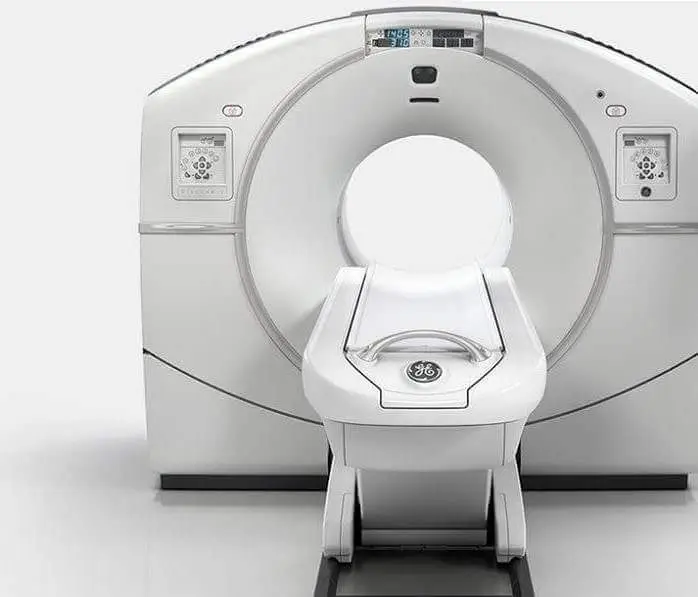
We have in-house Radiologist at MRI Chandigarh so, you will get same day report with accurate results.
We provide free pick and drop facility for our patients in tricity for MRI, CT Scan, PSMA PET Scan, DOTA PET Scan and PET Scan with cheapest price in Chandigarh.
We are equipped with World Class MRI Scan Facility at Reasonable pricing. With best in class skilled technicians.
Get the most comfortable MRI scan in Chandigarh with high quality 1.5T or 3T machines at best and affordable price.




MRI Chandigarh is your one-stop destination for advanced medical imaging and diagnostic services in Chandigarh. As one of the most trusted MRI centres in Chandigarh, we provide cutting-edge radio-imaging solutions, including both 1.5 Tesla and 3 Tesla MRI scans, at highly competitive prices—without compromising on quality.
We offer quick, accurate, and affordable MRI scans in Chandigarh with no hidden charges. Our experienced radiologists ensure timely results and, if needed, offer recommendations for further medical consultation based on your MRI report.
The cost of an MRI scan in Chandigarh varies depending on the type of scan and the diagnostic center. Prices typically start from ₹2,800 to ₹5,500. For example, 1.5 Tesla MRI scans may begin at ₹2,800, while 3 Tesla MRI scans are priced higher due to their advanced imaging capabilities. It's advisable to contact local MRI centers for precise pricing.
Preparation for an MRI scan generally involves minimal steps. For most MRI scans, you can maintain your regular diet. However, for abdominal scans, fasting for 3-4 hours prior to the procedure may be required. Wear loose-fitting, metal-free clothing, and inform your radiologist about any existing medical conditions, allergies, or implants.
Yes, MRI scans are generally considered safe as they do not use ionizing radiation. However, patients with certain implants like pacemakers should inform their doctor beforehand. It's crucial to remove all metal objects before the scan to prevent any risks associated with the MRI's strong magnetic field.
The duration of an MRI scan depends on the area being examined but typically ranges from 15 minutes to over an hour. For instance, a brain MRI may take about 30 to 60 minutes, while joint MRIs like knee or shoulder can take 15 to 45 minutes. Advanced 3 Tesla MRI machines can perform scans faster, enhancing patient comfort.
Chandigarh hosts several reputable MRI centres equipped with state-of-the-art technology and experienced radiologists. Centers like MRI Chandigarh are known for their advanced imaging services, including 3 Tesla MRI scans, and patient-centric care. It's recommended to research and choose a center that best fits your diagnostic needs.
While some diagnostic centers may allow self-referred MRI scans, it's advisable to consult with a healthcare professional to ensure the appropriateness of the scan and to provide the necessary clinical context for accurate interpretation.
Yes, certain MRI centres in Chandigarh offer complimentary pick-up and drop-off services within the Tricity area (Chandigarh, Mohali, Panchkula) to enhance patient convenience. It's best to inquire with the specific MRI center about the availability of such services. We provide free pick and drop in tricity for all scans including CT Scan & PET Scan too.
We are the leading diagnostic centre in Chandigarh providing comprehensive radio diagnostic services including MRI, CT Scan, PET Scan, Ultrasound, X-ray, Echocardiogram, ECG, and EEG at affordable rates with same-day reporting.
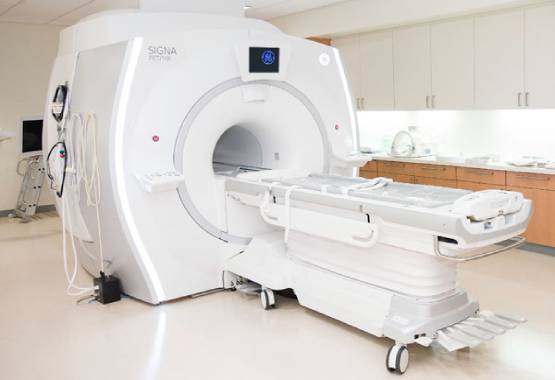
Experience the most comfortable and advanced MRI scans in Chandigarh with our high-field strength 1.5 Tesla and 3.0 Tesla machines. Our state-of-the-art MRI technology delivers exceptional quality diagnostic images for accurate results. Located in Sector 34, we provide the most reliable MRI services in Chandigarh Tricity at affordable rates.
Our Chandigarh diagnostic center provides world-class CT Scan facilities at the most competitive prices in the tricity region. Equipped with low-radiation dose CT scanners and operated by skilled technicians, we ensure the safest and most accurate CT scan services in Chandigarh, Mohali and Panchkula area.
Get the most affordable PET scan in Chandigarh at just Rs.16,000, the lowest price in the tricity region. Our all-inclusive package offers free pickup and drop, complimentary meals, and patient comfort amenities. Our Chandigarh PET scan center uses state-of-the-art technology for early cancer detection and treatment monitoring.
Our Chandigarh diagnostic center offers high-precision ultrasound services including 2D, 3D, and 4D scans. We use latest technology equipment at our partner diagnostic facilities across Chandigarh Sectors 34, 35, and 22. Our experienced radiologists provide accurate results for abdominal, pregnancy, thyroid, and other specialized ultrasound examinations.
Our network of partner X-ray centers in Chandigarh offers affordable digital X-ray services with instant results. Using advanced digital radiography technology, we provide high-quality bone and soft tissue imaging with minimal radiation exposure. Visit our X-ray diagnostic facilities in Sectors 34, 22, and 17 of Chandigarh for quick and reliable service.

Our diagnostic center in Chandigarh provides comprehensive cardiac and neurological testing including Echocardiography (Echo), Electrocardiogram (ECG), and Electroencephalogram (EEG). We offer the most affordable rates for these specialized tests in the Chandigarh region with reports prepared by experienced cardiologists and neurologists for accurate diagnosis.
As the leading diagnostic imaging center in Chandigarh, we provide comprehensive radiology services including MRI, CT Scan, PET-CT, Ultrasound, X-ray, Echocardiography, ECG, and EEG. Our state-of-the-art facilities are equipped with the latest diagnostic technology to deliver accurate results for patients across Chandigarh, Mohali, and Panchkula.
Visit our centers in Sector 34, Sector 22, or Sector 17 Chandigarh for the best diagnostic experience. Book your appointment today for high-quality, affordable diagnostic services in Chandigarh.
Are you curious to know the difference between paraganglioma and pheochromocytoma? While both of these conditions have similar names and cause similar symptoms, they are actually quite different. In this article, we’ll discuss the key differences between paraganglioma and pheochromocytoma so that you can be better informed about potential treatment options.
Paraganglioma and pheochromocytoma are both rare tumors that develop in the cells of the sympathetic nervous system. While they share some similarities, there are key differences between the two that are important to understand.
Paragangliomas typically develop in the cells of the autonomic nervous system, which controls involuntary body functions like heart rate and blood pressure. These tumors are usually non-cancerous (benign), but can occasionally become cancerous (malignant). Pheochromocytomas, on the other hand, arise from the chromaffin cells of the adrenal glands, which produce hormones that help regulate metabolism and blood pressure. Pheochromocytomas are always cancerous.
While both types of tumors can cause high blood pressure (hypertension), paragangliomas are more likely to be associated with headaches, dizziness, and palpitations. Pheochromocytomas may also cause these symptoms, but are more likely to cause weight gain, depression, and anxiety.
Both paragangliomas and pheochromocytomas are treated with surgery to remove the tumor. In some cases, radiation or chemotherapy may also be used. If you or someone you know has been diagnosed with one of these tumors, it’s important to seek out experienced medical care to ensure the best possible outcome.
Paragangliomas and pheochromocytomas are both benign tumors that originate in the chromaffin cells of the adrenal medulla. Although they share many similarities, there are some key differences between these two types of tumors.
The most common symptom of both paragangliomas and pheochromocytomas is high blood pressure. Other symptoms may include headache, sweating, palpitations, and anxiety. These tumors are often diagnosed when patients seek medical help for uncontrolled hypertension.
Pheochromocytomas tend to be larger than paragangliomas and are more likely to metastasize to other organs. In contrast, paragangliomas are more likely to occur in multiple sites throughout the body.
Risk factors for both types of tumor include a family history of the condition and certain genetic syndromes such as multiple endocrine neoplasia type 2 (MEN2). Other risk factors for pheochromocytoma include cigarette smoking and exposure to certain chemicals such as naphthalene.
If you or a loved one has been diagnosed with paraganglioma or pheochromocytoma, it is important to understand the key differences between these two types of tumors. Paragangliomas are rare, slow-growing tumors that develop in the paraganglia, which are clusters of cells found near the nervous system. Pheochromocytomas are also rare, but they tend to grow faster and develop in the adrenal glands.
While both types of tumors can cause high blood pressure, headaches, and sweating, they differ in a few key ways. For example, pheochromocytomas are more likely to be associated with heart palpitations and irregular heartbeat. Paragangliomas, on the other hand, are more likely to cause facial flushing and dizziness. In some cases, paragangliomas can also affect hearing and balance.
The diagnosis process for these two types of tumors is also different. Pheochromocytomas are typically diagnosed through blood tests that measure levels of catecholamines (hormones produced by the adrenal glands). An MRI or CT scan may also be used to confirm the diagnosis. Paragangliomas are usually diagnosed with an MRI or CT scan as well. In some cases, a biopsy may also be necessary to confirm the diagnosis.
Treatment for paraganglioma and pheochromocytoma may involve surgery to remove the tumor, medications to control hormones, and radiation or chemotherapy. Ultimately, the best treatment plan depends on the individual case and should be discussed with your doctor.
There are several treatment options available for paraganglioma and pheochromocytoma. While surgery is the most common and effective treatment for both conditions, there are other options available depending on the particular case.
For example, radiation therapy may be used in addition to or instead of surgery for small tumors that have not spread. Chemotherapy is sometimes used as well, particularly in cases where the tumor cannot be surgically removed or when cancer has spread to other parts of the body.
Targeted therapies are a newer type of treatment that specifically target the genetic changes that cause these tumors to grow. This type of therapy is still being studied and is not yet widely available, but holds promise for more targeted and effective treatment in the future.
Paragangliomas and pheochromocytomas are tumors that can secrete catecholamines, but there are key differences between the two. Paragangliomas are much rare and tend to be benign. They typically occur in the head and neck area and can be diagnosed with an MRI. Pheochromocytomas are more common and tend to be malignant. They can occur anywhere in the body but are most commonly found in the adrenal glands. Pheochromocytomas can be diagnosed with a CT scan or an MRI.
Paragangliomas and pheochromocytomas are both rare tumors that develop in the adrenal glands. Both types of tumors can cause high blood pressure and other symptoms.
There are some key differences between the two conditions:
If you have been diagnosed with paraganglioma and/or pheochromocytoma, you may be wondering how these conditions will affect your daily life. Here are some key things to keep in mind:
1. Paragangliomas and pheochromocytomas are usually slow-growing tumors, so they may not cause any symptoms for many years.
2. When symptoms do occur, they are often due to the excess hormones produced by the tumors (such as adrenaline). These symptoms can include high blood pressure, headaches, palpitations, and sweating.
3. If you have a paraganglioma or pheochromocytoma, you will need to be monitored closely by your doctor. This may involve regular blood tests and imaging scans.
4. In some cases, treatment may be necessary if the tumor is causing severe symptoms or growing quickly. Treatment options include surgery, radiation therapy, and targeted drug therapy.
5. Living with a paraganglioma or pheochromocytoma can be challenging, but it is important to remember that these conditions are usually benign (non-cancerous) and slow-growing. With proper treatment and monitoring, most people with these tumors live long and healthy lives
Prevention strategies for paraganglioma and pheochromocytoma are not well-defined, but there are some measures that may be taken to reduce the risk of these tumors. quitting smoking, eating a healthy diet, and maintaining a healthy weight are all thought to help lower the risk of these tumors. Additionally, avoiding exposure to certain chemicals and radiation may also help to reduce the risk of developing paraganglioma or pheochromocytoma.
All in all, paraganglioma and pheochromocytoma are two very similar conditions with important differences. It’s important to understand these key differences so that you can make an informed decision about which treatment option is best for you or your loved one. While both of these conditions can be difficult to live with, early detection and proper management can help patients manage their symptoms and lead healthier lives. It’s always a good idea to speak with your doctor if you think you may be experiencing the symptoms of either condition.
You can call us for More Information, at 8699572364
Follow us on Social Pages: mrichandigarh
Instagram: Mri Chandigarh
Mail us at [email protected]
Tweet: Mri Chandigarh
Linked In: Mri Chandigarh
The facility is clean, the staff is courteous, and the reports are provided in a timely fashion. All in all a great place for MRI scan in Chandigarh.
Staff is friendly I am happy centre is cleaned. Staff care the patient it is very good diagnostic centre
Used their service recently for my brother's MRI in Chandigarh and they had made it very convenient to book the scan and not just that they even told me what prerequisites I needed to take like fasting overnight. Will definitely use their service again.
Tried them for the first time for my MRI scan. Great service over the phone for appointment and from the technician who performed the scan. Got the report the same day by evening. Great experience overall.
I have got three scans done in the last few months at this centre. I recommend MRI Chandigarh to my family and friends for MRI scan if there is a need. For me most importantly the technician are very capable. Also overall not a bad experience at all. I would easily recommend this place to people i know.
3T MRI Scan in Chandigarh - 3T MRI centre is best because the fees of MRI is less as compare to all MRI centre in Chandigarh which is near by PGI. I done my MRI and the report is pretty accurate.
Fantastic experience. Everything is so managed here that you will not face any single problem. Staff members are also very polite. Recommended!
My 3rd PET CT has been done here. Really good services. Most of staff is very caring and polite. If you want to excellent results in same day, this PET CT is good option.
Had really great experience with Mri Scan in Chandigarh. The staff was really cooperative and helped me on my every visit. Doctors are really polite and guided me through. My scan went really smooth. Thank you for the best healthcare.


