MRI Scan in Chandigarh with 1.5T & 3T Advanced Imaging
Looking for a reliable MRI in Chandigarh? Our advanced MRI scan centre in Chandigarh offers both 1.5 Tesla and 3 Tesla MRI scans at affordable prices. At MRI Chandigarh, we combine expert radiologists with cutting-edge imaging technology to provide accurate diagnostics in a patient-friendly environment.
MRI Scan at Affordable Prices and You can Call Anytime for Booking and Inquiries.
Trusted MRI & Diagnostic Scan Centre in Chandigarh – Serving Tricity with Care
As a leading diagnostic scan centre in Chandigarh, we specialize in delivering accurate and timely imaging services, including 3T MRI, 1.5T MRI, CT Scan, PET Scan, Ultrasound, and Digital X-rays. Our facility is equipped with the latest technology and staffed by expert radiologists to ensure precise diagnosis. We proudly serve patients from Chandigarh, Mohali, and Panchkula with affordable scan prices and free home pick-up & drop. Book your scan today for a comfortable, quick, and reliable experience.
Best Radio Diagnostic Centre In Chandigarh Best Prices, Free Pick & Drop
Looking for the best radio diagnostic centre in Chandigarh? We offer a complete range of advanced diagnostic services including MRI, CT Scan, PET Scan, X-Ray, Ultrasound, PSMA PET Scan, DOTA PET Scan and more – all under one roof. With experienced radiologists, cutting-edge equipment, and a commitment to accuracy, we ensure fast and reliable reports. Enjoy affordable pricing with free pick & drop facility across Chandigarh, Mohali, and Panchkula. Trusted by top doctors and thousands of patients – your health is in safe hands with us.
We have in-house Radiologist at MRI Chandigarh so, you will get same day report with accurate results.
Pick drop facility
We provide free pick and drop facility for our patients in tricity for MRI, CT Scan, PSMA PET Scan, DOTA PET Scan and PET Scan in Chandigarh.
World Class Technology
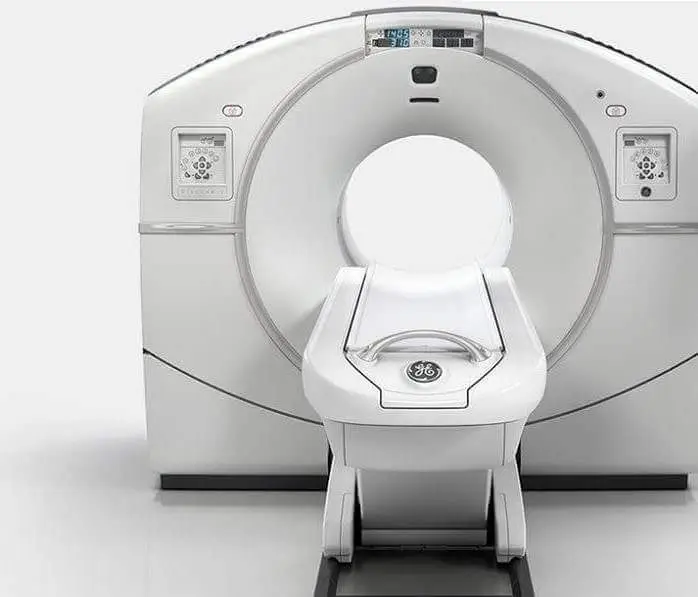
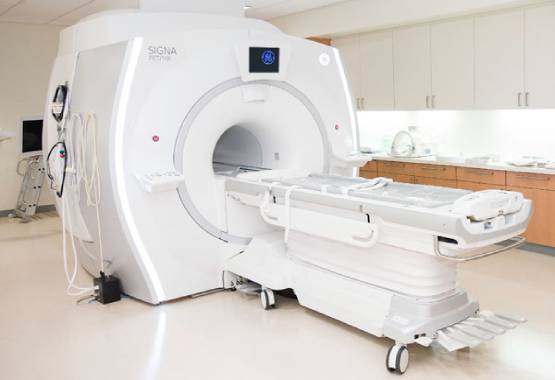
We are equipped with World Class MRI Scan Facility at Reasonable pricing. With best in class skilled technicians.
1.5T/3.0T MRI Scan
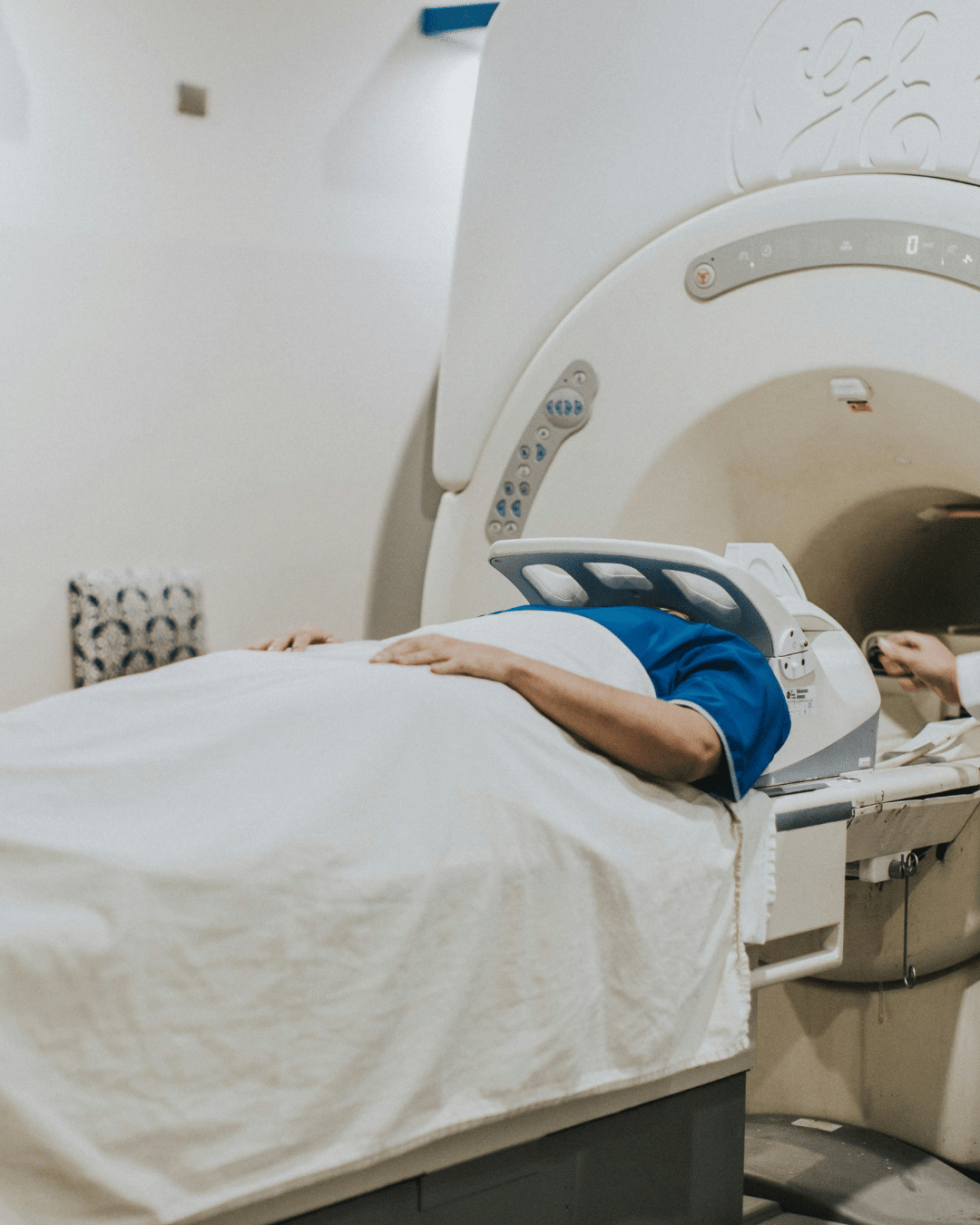
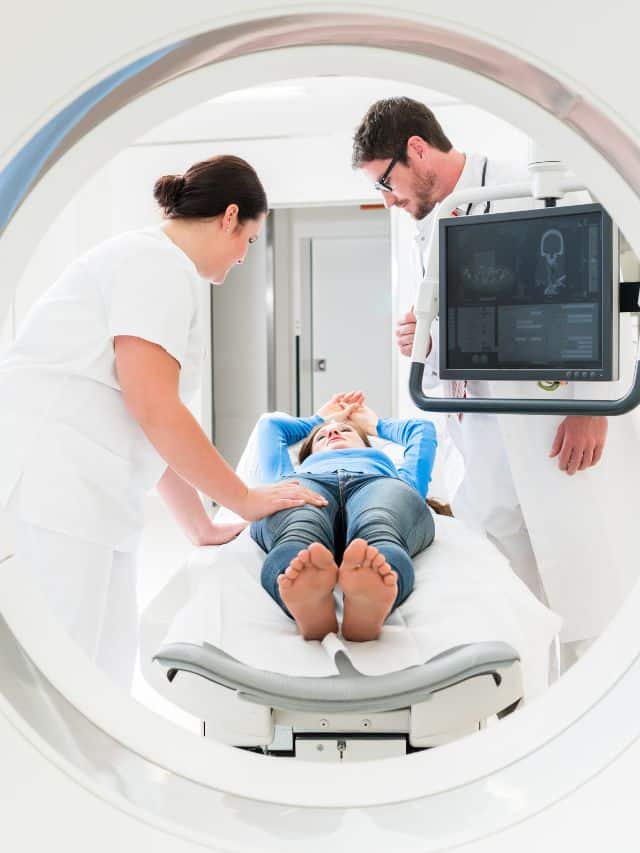
Get a comfortable MRI scan in Chandigarh using high-quality 1.5T and 3T machines with expert reporting and transparent, patient-friendly pricing.
MRI Chandigarh – Trusted MRI Scan Centre in Tricity
Affordable 1.5T & 3T MRI Scans in Chandigarh
MRI Chandigarh is your one-stop destination for advanced medical imaging and diagnostic services in Chandigarh. As one of the most trusted MRI centres in Chandigarh, we provide cutting-edge radio-imaging solutions, including both 1.5 Tesla and 3 Tesla MRI scans, at highly competitive prices—without compromising on quality.
We offer quick, accurate, and affordable MRI scans in Chandigarh with no hidden charges. Our experienced radiologists ensure timely results and, if needed, offer recommendations for further medical consultation based on your MRI report.
Lowest price in Chandigarh for MRI, CT Scan & PET Scan
Free pick-up & drop service across Chandigarh, Mohali & Panchkula
In-house radiologists for same-day reports
Open 24/7 for appointments, consultations & support
High-quality 1.5T & 3T MRI Scans in the Tricity region
Partnered with top-rated MRI centres in Chandigarh
The cost of an MRI scan in Chandigarh varies depending on the type of scan and the diagnostic center. Prices typically start from ₹3,800 to ₹5,500. For example, 1.5 Tesla MRI scans may begin at ₹3,800, while 3 Tesla MRI scans are priced higher due to their advanced imaging capabilities. It's advisable to contact local MRI centers for precise pricing.
Preparation for an MRI scan generally involves minimal steps. For most MRI scans, you can maintain your regular diet. However, for abdominal scans, fasting for 3-4 hours prior to the procedure may be required. Wear loose-fitting, metal-free clothing, and inform your radiologist about any existing medical conditions, allergies, or implants.
Yes, MRI scans are generally considered safe as they do not use ionizing radiation. However, patients with certain implants like pacemakers should inform their doctor beforehand. It's crucial to remove all metal objects before the scan to prevent any risks associated with the MRI's strong magnetic field.
The duration of an MRI scan depends on the area being examined but typically ranges from 15 minutes to over an hour. For instance, a brain MRI may take about 30 to 60 minutes, while joint MRIs like knee or shoulder can take 15 to 45 minutes. Advanced 3 Tesla MRI machines can perform scans faster, enhancing patient comfort.
Chandigarh hosts several reputable MRI centres equipped with state-of-the-art technology and experienced radiologists. Centers like MRI Chandigarh are known for their advanced imaging services, including 1.5 Tesla and 3 Tesla MRI scans, and patient-centric care. It's recommended to research and choose a center that best fits your diagnostic needs.
While some diagnostic centers may allow self-referred MRI scans, it's advisable to consult with a healthcare professional to ensure the appropriateness of the scan and to provide the necessary clinical context for accurate interpretation.
Yes, certain MRI centres in Chandigarh offer complimentary pick-up and drop-off services within the Tricity area (Chandigarh, Mohali, Panchkula) to enhance patient convenience. It's best to inquire with the specific MRI center about the availability of such services. We provide free pick and drop in tricity for all scans including CT Scan & PET Scan too.
Best Diagnostic Services in Chandigarh
Premier Radio Diagnostic Center in Chandigarh Tricity
We are the leading diagnostic centre in Chandigarh providing comprehensive radio diagnostic services including MRI, CT Scan, PET Scan, Ultrasound, X-ray, Echocardiogram, ECG, and EEG at affordable rates with same-day reporting.
Experience the most comfortable and advanced MRI scans in Chandigarh with our high-field strength 1.5 Tesla and 3.0 Tesla machines. Our state-of-the-art MRI technology delivers exceptional quality diagnostic images for accurate results. Located in Sector 34, we provide the most reliable MRI services in Chandigarh Tricity at affordable rates.
Same day reporting by expert radiologists
Most affordable MRI scan price in Chandigarh Tricity
Complimentary pick & drop service within Chandigarh
Our Chandigarh diagnostic center provides world-class CT Scan facilities at the most competitive prices in the tricity region. Equipped with low-radiation dose CT scanners and operated by skilled technicians, we ensure the safest and most accurate CT scan services in Chandigarh, Mohali and Panchkula area.
Same day expert reporting by specialized radiologists
Get the most affordable PET scan in Chandigarh at just Rs.16,000, the lowest price in the tricity region. Our all-inclusive package offers free pickup and drop, complimentary meals, and patient comfort amenities. Our Chandigarh PET scan center uses state-of-the-art technology for early cancer detection and treatment monitoring.
Same day comprehensive reporting by oncology specialists
Most economical PET-CT scan in Chandigarh Tricity area
Our Chandigarh diagnostic center offers high-precision ultrasound services including 2D, 3D, and 4D scans. We use latest technology equipment at our partner diagnostic facilities across Chandigarh Sectors 34, 35, and 22. Our experienced radiologists provide accurate results for abdominal, pregnancy, thyroid, and other specialized ultrasound examinations.
Our network of partner X-ray centers in Chandigarh offers affordable digital X-ray services with instant results. Using advanced digital radiography technology, we provide high-quality bone and soft tissue imaging with minimal radiation exposure. Visit our X-ray diagnostic facilities in Sectors 34, 22, and 17 of Chandigarh for quick and reliable service.
Our diagnostic center in Chandigarh provides comprehensive cardiac and neurological testing including Echocardiography (Echo), Electrocardiogram (ECG), and Electroencephalogram (EEG). We offer the most affordable rates for these specialized tests in the Chandigarh region with reports prepared by experienced cardiologists and neurologists for accurate diagnosis.
MRI Scan Services in Chandigarh, Mohali & Panchkula
Access advanced MRI imaging services with expert appointment assistance,
transparent pricing guidance, and convenient scheduling across leading
MRI centres in the Tricity region.
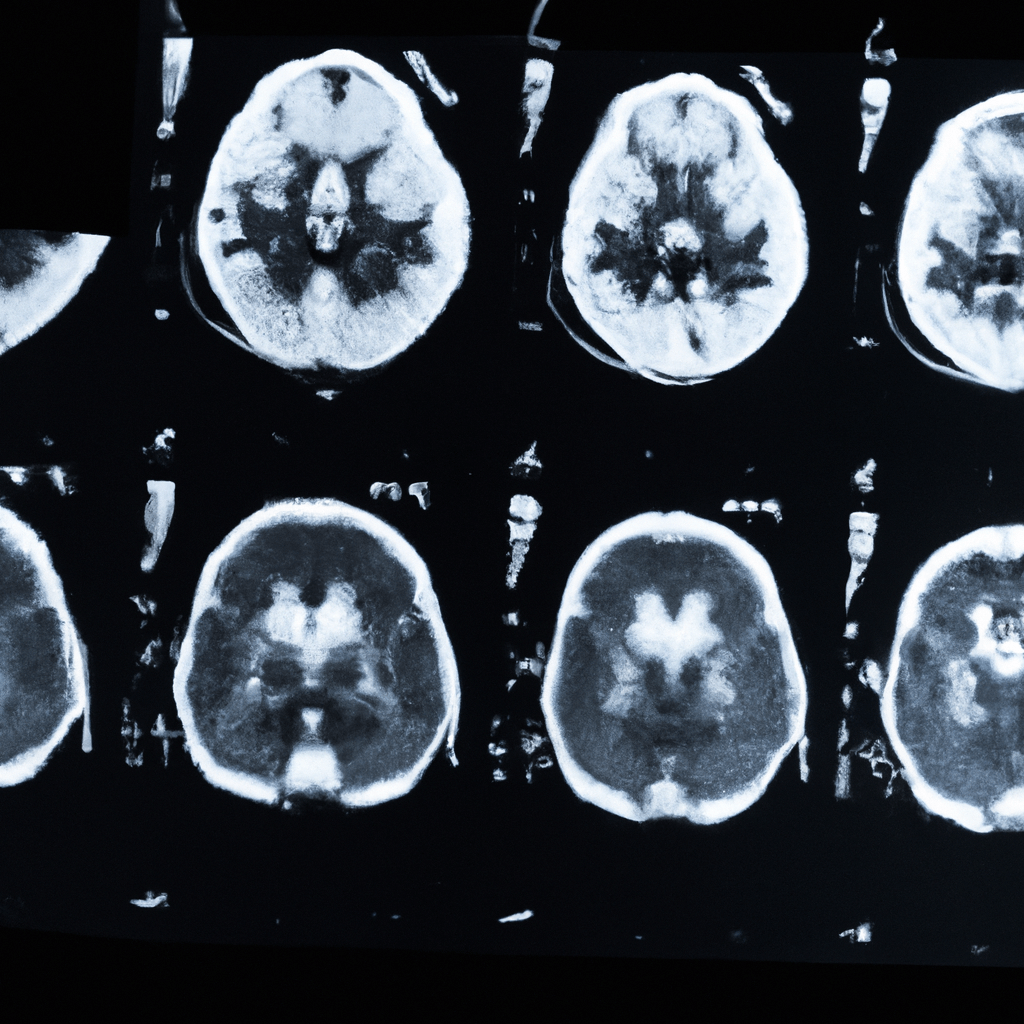
Brain MRI Scan
High-resolution brain imaging for stroke evaluation, headaches,
seizures, tumors, memory concerns, and neurological disorders.
Spine MRI Scan
Detailed cervical, thoracic, and lumbar spine imaging for
back pain, slipped discs, nerve compression, and sciatica.
Joint MRI Scan
Advanced imaging of knees, shoulders, hips, and other joints
for ligament injuries, arthritis, and sports-related conditions.
Abdomen MRI Scan
Comprehensive abdominal imaging to evaluate the liver,
pancreas, kidneys, adrenal glands, and soft tissues.
Pelvis MRI Scan
Detailed pelvic imaging for reproductive health,
gynecological conditions, pelvic pain, and urological disorders.
MRCP Scan
Specialized MRI examination of the gallbladder, bile ducts,
pancreas, and related digestive structures.
Contrast MRI Scan
Enhanced MRI studies that improve visualization of tumors,
infections, inflammation, and vascular abnormalities.
Fetal MRI Scan
Advanced prenatal imaging used when additional information
is required beyond routine ultrasound evaluation.
Prostate MRI (mpMRI)
Multiparametric prostate imaging for cancer detection,
staging, biopsy planning, and treatment monitoring.
Need Help Choosing the Right MRI Scan?
Share your prescription or medical recommendation and our team
will help identify the appropriate MRI scan, provide pricing
guidance, and assist with the earliest available appointment.
Best Diagnostic Center in Chandigarh for All Medical Imaging Needs
As the leading diagnostic imaging center in Chandigarh, we provide comprehensive radiology services including MRI, CT Scan, PET-CT, Ultrasound, X-ray, Echocardiography, ECG, and EEG. Our state-of-the-art facilities are equipped with the latest diagnostic technology to deliver accurate results for patients across Chandigarh, Mohali, and Panchkula.
Why Choose Our Diagnostic Services in Chandigarh?
Advanced technology with 1.5T and 3.0T MRI scanners
Most affordable rates for all diagnostic tests in Chandigarh Tricity
Same-day reporting by specialized radiologists
Conveniently located centers across Chandigarh
Complimentary pick and drop services for patients
Open 7 days a week including holidays
Visit our centers in Sector 34, Sector 22, or Sector 17 Chandigarh for the best diagnostic experience. Book your appointment today for high-quality, affordable diagnostic services in Chandigarh.
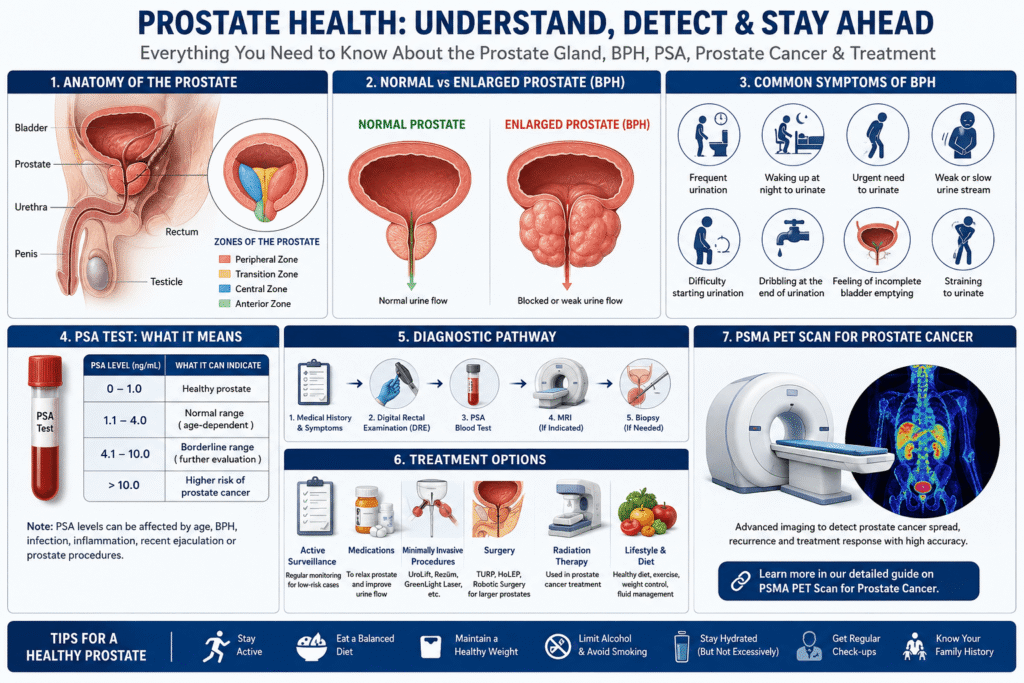
Prostate Health: The prostate is a small gland, but it has a major impact on a man’s urinary health, reproductive function, and overall quality of life.
As men age, the prostate naturally changes in size and function. While some changes are harmless, others may signal conditions that require medical attention.
Millions of men worldwide develop prostate-related conditions every year, including benign prostatic hyperplasia (BPH), prostatitis, and prostate cancer.
These conditions often begin with mild urinary symptoms that many people dismiss as a normal part of ageing. However, early recognition and timely evaluation can significantly improve treatment outcomes and reduce the risk of complications.
The prostate is a walnut-sized gland that forms part of the male reproductive system. It sits just below the urinary bladder and surrounds the first part of the urethra-the tube that carries urine from the bladder and semen from the reproductive tract to the outside of the body.
Although small in size, the prostate performs several essential functions. It produces a nutrient-rich fluid that combines with sperm and secretions from the seminal vesicles to form semen. During ejaculation, muscles within the prostate contract to help propel semen through the urethra.
Because the urethra passes directly through the centre of the prostate, any enlargement of the gland can compress the urethra and interfere with normal urination. This explains why many prostate disorders first present with urinary symptoms such as weak urine flow, difficulty starting urination, frequent urination, or waking multiple times during the night to urinate.
Where Is the Prostate Located?
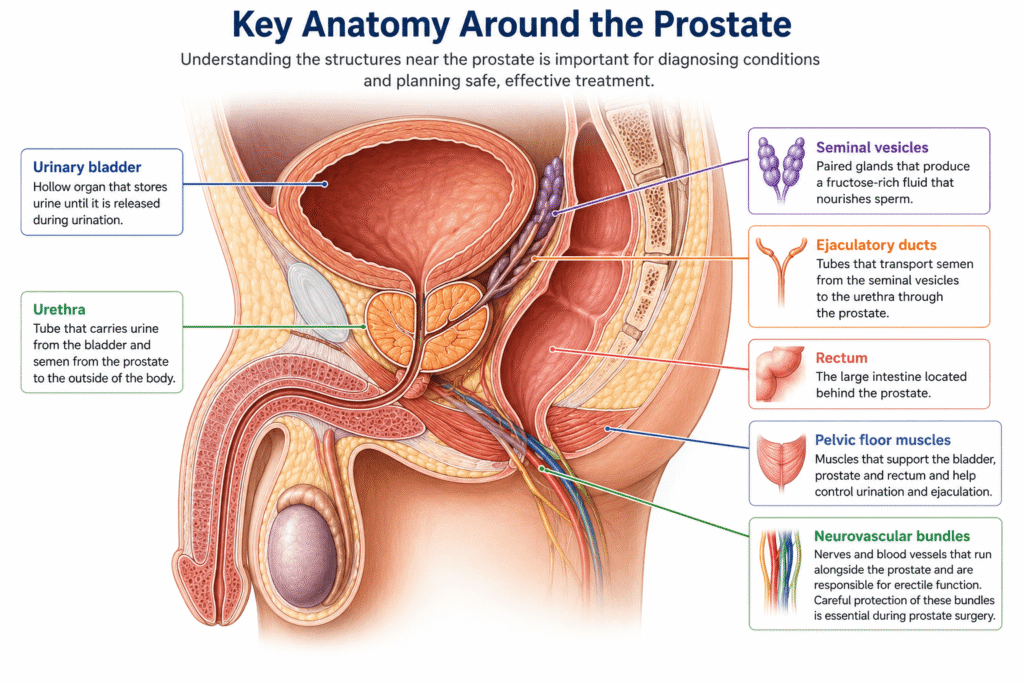
The prostate lies deep within the pelvis, directly beneath the urinary bladder and in front of the rectum. This anatomical position allows doctors to assess part of the gland through a Digital Rectal Examination (DRE).
The prostate surrounds the upper portion of the urethra like a ring. As the gland enlarges due to ageing or disease, the urethral channel may become compressed, leading to obstruction of urine flow.
Nearby Structures
Urinary bladder
Urethra
Seminal vesicles
Ejaculatory ducts
Rectum
Pelvic floor muscles
Neurovascular bundles responsible for erectile function
Understanding these relationships is important because prostate disease may affect urinary function, ejaculation, and sexual health.
Anatomy of the Prostate
The prostate is divided into several anatomical zones, each associated with specific medical conditions.
Peripheral Zone
The peripheral zone makes up approximately 70% of the prostate gland. Most prostate cancers originate in this region, making it the most clinically significant zone during cancer screening and biopsy.
Transition Zone
The transition zone surrounds the urethra and is the region that enlarges in Benign Prostatic Hyperplasia (BPH). As men age, gradual growth of this zone can narrow the urethra and produce urinary symptoms.
Central Zone
The central zone surrounds the ejaculatory ducts and accounts for approximately one-quarter of the gland. Cancer arising in this area is relatively uncommon.
Anterior Fibromuscular Stroma
This non-glandular portion provides structural support and contains muscle fibres that contribute to urinary control.
Functions of the Prostate
The prostate performs several essential functions that contribute to male fertility and urinary health.
Produces Seminal Fluid
Approximately one-quarter of semen volume originates from the prostate. This fluid contains enzymes, proteins, zinc, and citrate that nourish sperm and improve their survival.
Supports Sperm Motility
Prostatic fluid creates an environment that allows sperm to swim efficiently toward the egg after ejaculation.
Produces Prostate-Specific Antigen (PSA)
PSA is an enzyme produced by prostate cells. It helps liquefy semen after ejaculation, allowing sperm to move freely. Small amounts of PSA normally enter the bloodstream and are measured during PSA blood testing.
Helps Regulate Urination
Muscle fibres within the prostate contribute to urinary control and help coordinate the passage of urine through the urethra.
What Is the Normal Prostate Size?
In healthy young adults, the prostate is approximately the size of a walnut.
Typical measurements include:
Weight: 20–25 grams
Volume: 20–25 cubic centimetres (cc)
Width: Approximately 4 cm
Height: Approximately 3 cm
Thickness: Approximately 2 cm
However, prostate size naturally increases with age due to hormonal changes. Mild enlargement is common after the age of 50 and does not necessarily indicate cancer.
Normal Prostate Size by Age
Age
Expected Prostate Volume
20–39 years
15–25 cc
40–49 years
25–30 cc
50–59 years
30–40 cc
60–69 years
35–50 cc
70+ years
40–60 cc
It is important to note that symptoms do not always correlate with prostate size. A relatively small prostate can cause severe urinary obstruction if it compresses the urethra significantly, while a much larger gland may produce only mild symptoms.
How Does the Prostate Change with Age?
Ageing affects the prostate in several ways. Hormonal changes-particularly the ongoing influence of dihydrotestosterone (DHT)-stimulate gradual enlargement of prostate tissue. This process is known as benign prostatic hyperplasia (BPH).
Not every enlarged prostate causes symptoms. However, as the gland continues to grow, it may compress the urethra and restrict urine flow. The bladder must then work harder to empty, leading to muscle thickening, urinary urgency, and incomplete bladder emptying.
Age also increases the likelihood of developing prostatitis, elevated PSA levels, and prostate cancer, making regular evaluation more important after the age of 50 or earlier for men with a family history of prostate disease.
Benign Prostatic Hyperplasia (BPH), also known as an enlarged prostate, is one of the most common health conditions affecting ageing men. It is a non-cancerous enlargement of the prostate gland that develops gradually over time due to hormonal changes. BPH is extremely common after the age of 50 and becomes increasingly prevalent with advancing age.
Although BPH is not cancer and does not increase the risk of prostate cancer, it can significantly affect quality of life by causing bothersome urinary symptoms. Fortunately, modern diagnostic techniques and effective treatments allow most men to manage BPH successfully without major complications.
What Is Benign Prostatic Hyperplasia?
Benign Prostatic Hyperplasia refers to the excessive growth of prostate cells, particularly within the transition zone of the prostate-the area surrounding the urethra.
As the prostate enlarges, it compresses the urethra and partially blocks urine flow. The bladder must work harder to push urine through the narrowed passage. Over time, this increased effort can weaken the bladder muscles, resulting in incomplete bladder emptying and worsening urinary symptoms.
Unlike prostate cancer, BPH does not spread to other organs and is not considered a life-threatening disease. However, untreated severe BPH can lead to urinary retention, recurrent infections, bladder stones, kidney damage, and reduced quality of life.
How Common Is BPH?
Benign Prostatic Hyperplasia is one of the most common medical conditions affecting older men.
Age Group
Estimated Prevalence
40–49 years
20–25%
50–59 years
40–50%
60–69 years
60–70%
70–79 years
75–80%
Over 80 years
Up to 90%
Many men have prostate enlargement without symptoms, while others develop significant urinary obstruction despite only moderate enlargement.
Why Does the Prostate Enlarge?
Although ageing is the strongest risk factor, several biological processes contribute to prostate enlargement.
Hormonal Changes
The primary driver of BPH is dihydrotestosterone (DHT), a hormone produced from testosterone by the enzyme 5-alpha reductase.
Even though testosterone levels gradually decline with age, DHT remains active inside prostate tissue, stimulating continuous cell growth.
Ageing
Normal ageing causes structural changes within prostate tissue, leading to gradual enlargement over decades.
Genetic Factors
Men with a family history of enlarged prostate are more likely to develop BPH at an earlier age.
Obesity and Metabolic Syndrome
Research suggests obesity, insulin resistance, diabetes, and metabolic syndrome increase inflammation and hormonal changes that promote prostate growth.
Chronic Inflammation
Persistent low-grade inflammation may contribute to excessive tissue growth within the prostate.
Risk Factors for Enlarged Prostate
Several factors increase the likelihood of developing BPH.
Age over 50 years
Family history of BPH
Obesity
Type 2 diabetes
High blood pressure
Physical inactivity
Metabolic syndrome
Cardiovascular disease
Hormonal imbalance
Smoking
Chronic inflammation
Although these factors increase risk, many healthy men without obvious risk factors also develop prostate enlargement.
Signs and Symptoms of Enlarged Prostate
Symptoms develop gradually and usually worsen over several years.
Storage Symptoms
These symptoms occur because the bladder becomes irritated while trying to overcome obstruction.
Frequent urination
Urinating every 1–2 hours
Sudden urge to urinate
Difficulty holding urine
Waking multiple times at night to urinate (nocturia)
Voiding Symptoms
These occur because urine flow is physically blocked.
Weak urine stream
Slow urine flow
Difficulty starting urination
Need to strain while urinating
Stop-and-start urine stream
Dribbling after urination
Feeling that the bladder has not emptied completely
Advanced Symptoms
If BPH progresses without treatment, more serious problems may develop.
Complete inability to urinate
Blood in urine
Recurrent urinary tract infections
Bladder stones
Kidney swelling (hydronephrosis)
Kidney damage
Persistent bladder pain
These symptoms require prompt medical evaluation.
Enlarged Prostate Symptom Score (IPSS)
Doctors often use the International Prostate Symptom Score (IPSS) to measure symptom severity.
The questionnaire evaluates:
Frequency
Urgency
Weak stream
Straining
Incomplete emptying
Intermittency
Nocturia
Score
Severity
0–7
Mild
8–19
Moderate
20–35
Severe
The IPSS score helps determine whether lifestyle changes, medication, or surgery is the most appropriate treatment.
The Seven IPSS Questions
During the assessment, your urologist may ask how often you experience the following symptoms over the past month:
A feeling that your bladder does not empty completely after urination.
The need to urinate again within two hours of finishing.
Stopping and starting several times while urinating.
Difficulty postponing urination when you feel the urge.
A weak or slow urine stream.
Straining or pushing to begin urination.
Waking up during the night to urinate (nocturia).
These questions provide an objective way to monitor symptom progression and evaluate how well treatment is working over time.
Medical evaluation, medications, and periodic follow-up
20–35
Severe
Comprehensive evaluation and consideration of minimally invasive procedures or surgery
Quality of Life Assessment
In addition to symptom scoring, the IPSS includes an important question about quality of life:
“If you had to spend the rest of your life with your current urinary symptoms, how would you feel?”
This helps doctors understand how much the condition affects your daily routine, sleep, work, travel, and emotional well-being. Some men with moderate symptoms are minimally bothered, while others with similar scores may experience significant disruption to their quality of life.
Why the IPSS Matters
The IPSS is valuable because it provides a standardized way to evaluate and monitor BPH symptoms over time. It allows your doctor to:
Measure the severity of urinary symptoms objectively.
Track whether symptoms are improving, worsening, or remaining stable.
Compare results during follow-up visits.
Determine whether lifestyle changes alone are sufficient or if medication or surgery should be considered.
Assess how effective a particular treatment has been after several weeks or months.
Can You Complete the IPSS at Home?
Yes. Many hospitals and urology clinics encourage patients to complete the IPSS questionnaire before their appointment. Bringing your score to your consultation helps your healthcare provider better understand your symptoms and establish a baseline for future comparisons.
Stages of Enlarged Prostate
An enlarged prostate develops gradually over many years. As the gland increases in size, it may compress the urethra and restrict the flow of urine. However, the severity of symptoms does not always depend on prostate size alone. Some men with a moderately enlarged prostate experience significant urinary problems, while others with a larger gland may have only mild symptoms.
Understanding the different stages of BPH helps determine the most appropriate treatment and reduces the risk of long-term complications.
Stage 1: Mild Enlargement
During the early stage, the prostate is only slightly larger than normal and urinary symptoms are usually mild or occasional.
Common symptoms include:
Mild increase in urinary frequency
Slightly weaker urine stream
Waking once during the night to urinate
Occasional urgency
Typical management:
Lifestyle modifications
Limiting evening fluid intake
Reducing caffeine and alcohol
Maintaining a healthy weight
Regular monitoring by a healthcare provider
Most men at this stage do not require medication and can successfully manage symptoms through healthy lifestyle changes.
Stage 2: Moderate Enlargement
As the prostate continues to enlarge, it places greater pressure on the urethra, making it more difficult for the bladder to empty completely.
Common symptoms include:
Weak urine stream
Difficulty starting urination
Frequent urination during the day
Nocturia (two or more times each night)
Feeling that the bladder has not emptied completely
Typical management:
Medical evaluation
Alpha-blocker medications
5-alpha reductase inhibitors (when appropriate)
Regular follow-up with PSA testing and symptom assessment
At this stage, medications are often effective in improving urine flow and reducing symptoms.
Stage 3: Severe Enlargement
Significant enlargement can cause substantial urinary obstruction and increase the risk of complications.
Common symptoms include:
Very slow urine stream
Straining during urination
Post-void dribbling
Recurrent urinary tract infections
Increasing post-void residual urine
Typical management:
Combination medical therapy
Uroflowmetry
Ultrasound assessment
Consideration of minimally invasive procedures such as UroLift®, Rezūm™, or Prostate Artery Embolization (PAE)
Surgical consultation if symptoms continue to worsen
Stage 4: Advanced or Complicated BPH
In advanced cases, prolonged urinary obstruction can damage both the bladder and kidneys. This stage requires urgent medical attention.
Possible complications include:
Acute urinary retention
Bladder stones
Blood in urine
Recurrent urinary infections
Kidney swelling (hydronephrosis)
Declining kidney function
Typical management:
Emergency catheterization (if unable to urinate)
Hospital evaluation
Surgical treatment such as TURP, HoLEP, GreenLight Laser Therapy, or Robotic Simple Prostatectomy depending on prostate size and overall health
Does a Larger Prostate Always Mean Worse Symptoms?
No. The relationship between prostate size and symptoms is not always straightforward. A smaller prostate can cause severe urinary obstruction if it compresses the urethra in a critical location, whereas a much larger prostate may cause relatively mild symptoms.
For this reason, doctors evaluate several factors together, including:
IPSS score
Urine flow rate (Qmax)
Post-void residual urine volume
PSA level
Prostate size
Quality of life
Imaging findings
Treatment decisions are based on the overall clinical picture rather than prostate size alone.
Learn More About PSMA PET Scan for Prostate Cancer
If prostate cancer is suspected or confirmed, your doctor may recommend additional imaging to assess the extent of the disease and plan the most appropriate treatment. A PSMA PET Scan is one of the most advanced imaging techniques for detecting prostate cancer cells, evaluating disease spread, and monitoring recurrence after treatment. It provides highly accurate information that supports personalized treatment decisions.
First and foremost a HUGE THANK U to Alka for being the most efficient and easiest person I dealt with. I had an emergency and she understood each bit of it and kept her promise each time I asked her for the tests and results. Great place, superb staff and very punctual about timing. This will be my Go to place for all kinds of tests and xray related things now. Thank you very much!! God Bless u all.
Overall, my recent checkup was an exemplary experience, and I couldn't be more satisfied with the care and attention I received. I feel confident in the medical team's expertise and grateful for their commitment to my well-being. I would highly recommend this healthcare facility to anyone seeking comprehensive and compassionate care.
I would like to say a big thank you to all the staff at MRI Chandigarh for their amazing service. I was really nervous about my MRI scan but they made me feel so comfortable and at ease. They were so patient in answering all my questions and giving me guidance. I really appreciated that. The scan was quick and easy and I'm so grateful to have had such a positive experience. Thank you again!
I had an amazing experience at MRI Chandigarh. The staff was so friendly and welcoming, and they made sure I was comfortable throughout my MRI scan. I was really impressed with their professionalism and knowledge. They took the time to explain everything to me and answer all my questions. I would definitely recommend their service to anyone. Thank you!
I was blown away by the level of service at MRI Chandigarh. They were incredibly professional and helpful, and they made sure that I was comfortable and relaxed during my CT scan. The results were fantastic, and I would highly recommend their services to anyone.
MRI Chandigarh - CT Scan - PET Scan - Best MRI Scan Centre in Chandigarh for all kind of Imaging Services. Get most comfortable MRI scan at best price with free pick and drop facility in tricity.