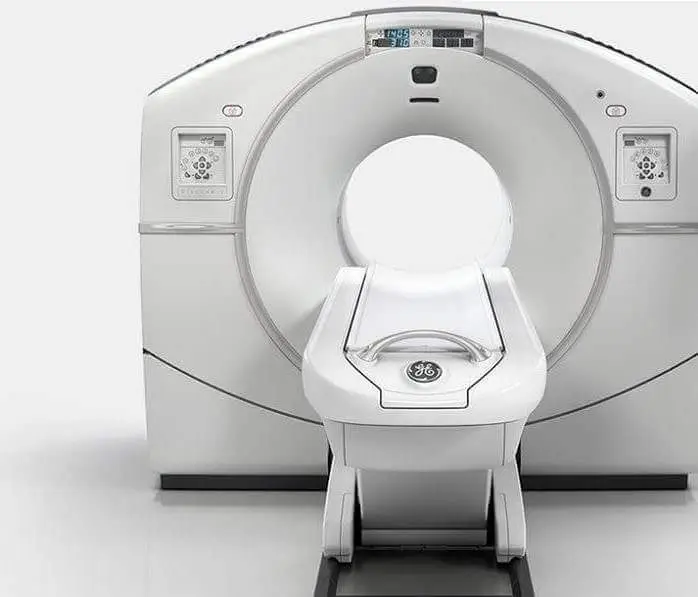
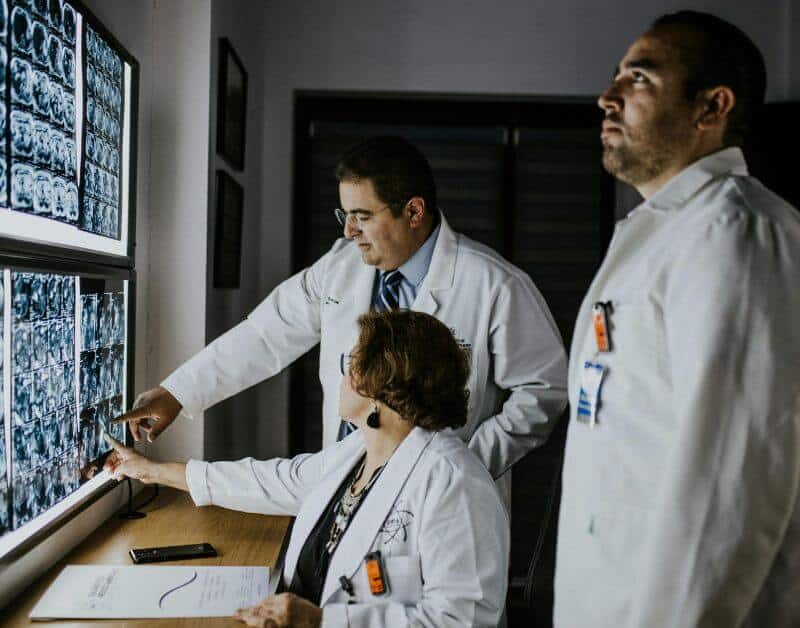
We have in-house Radiologist at MRI Chandigarh so, you will get same day report with accurate results.
We provide free pick and drop facility for our patients in tricity for MRI, CT Scan, PSMA PET Scan, DOTA PET Scan and PET Scan @ ₹12,999 in Chandigarh.
We are equipped with World Class MRI Scan Facility at Reasonable pricing. With best in class skilled technicians.
Get a comfortable MRI scan in Chandigarh using high-quality 1.5T and 3T machines with expert reporting and transparent, patient-friendly pricing.
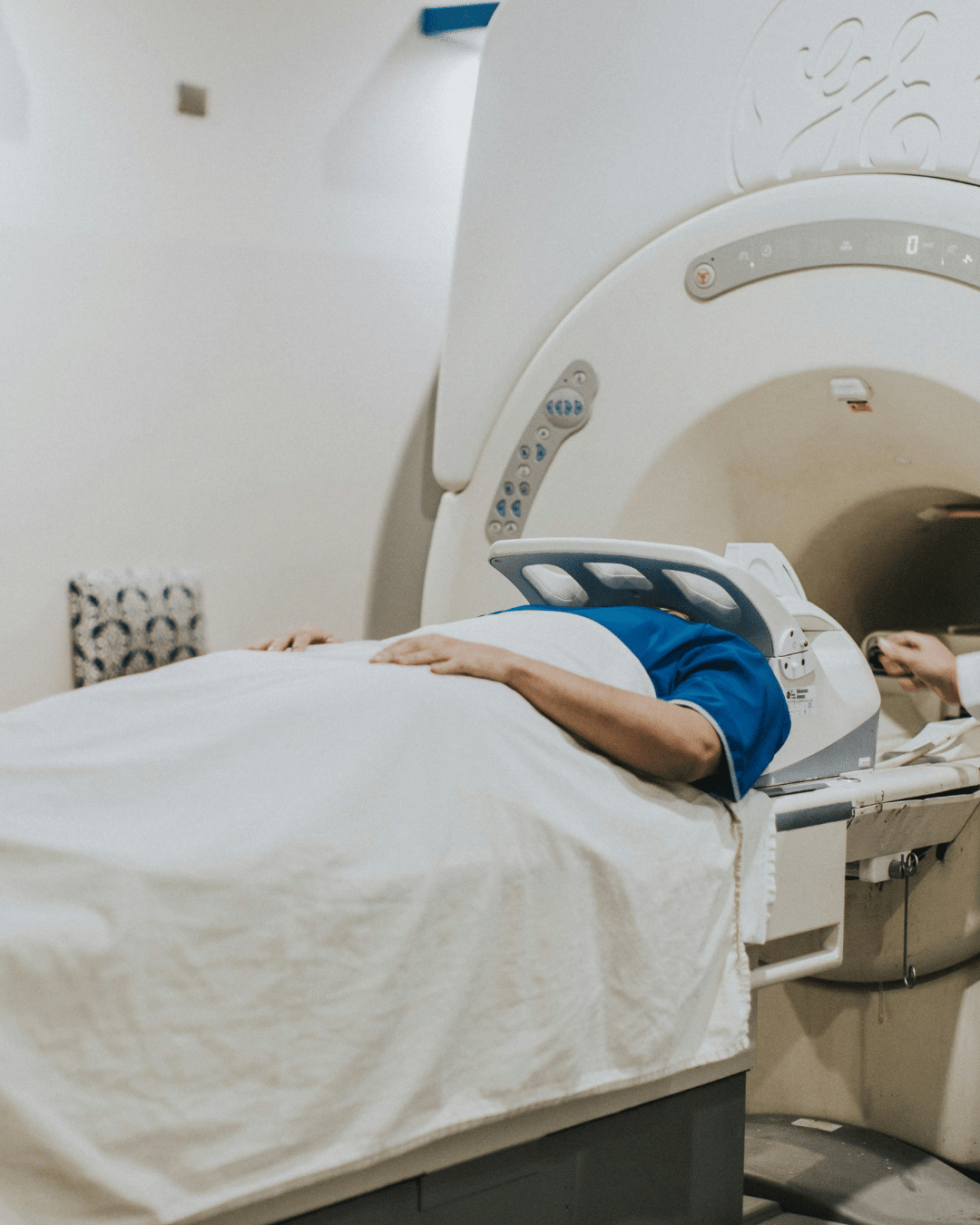
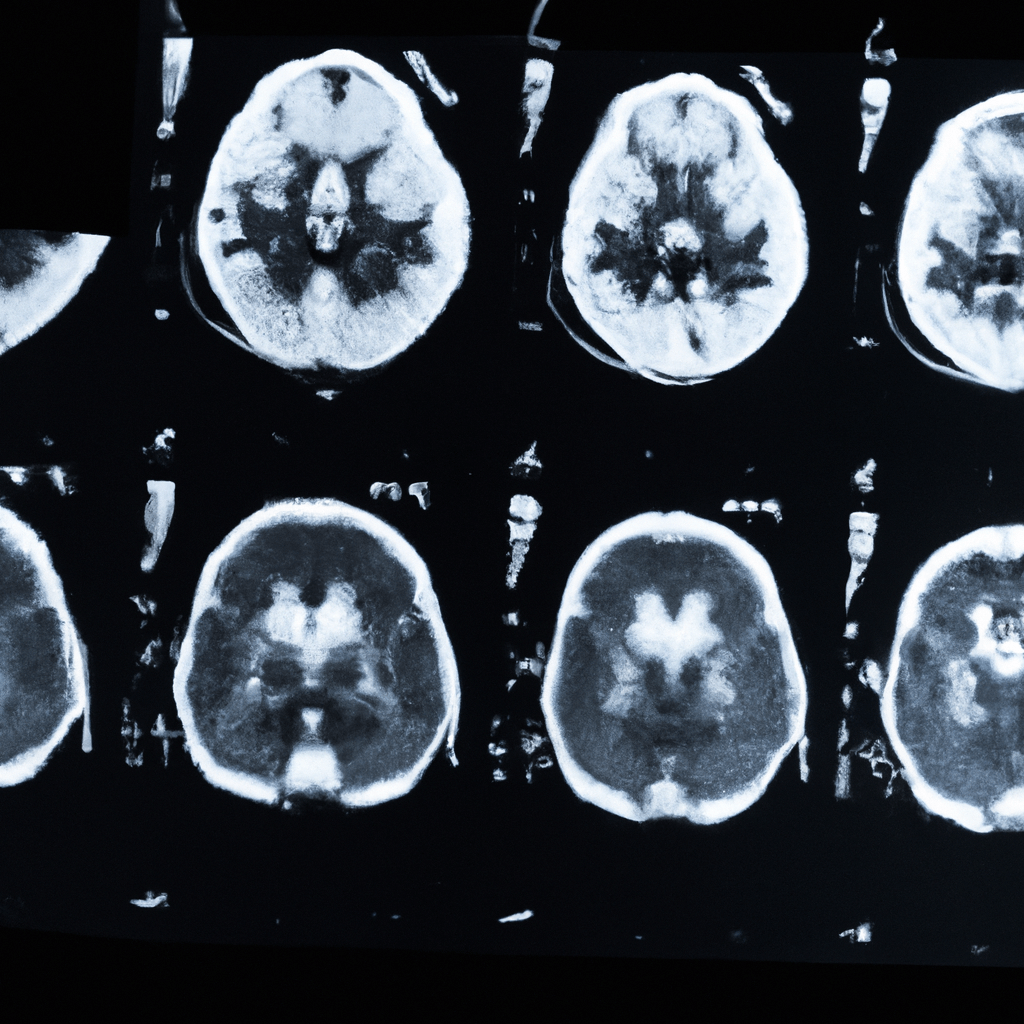
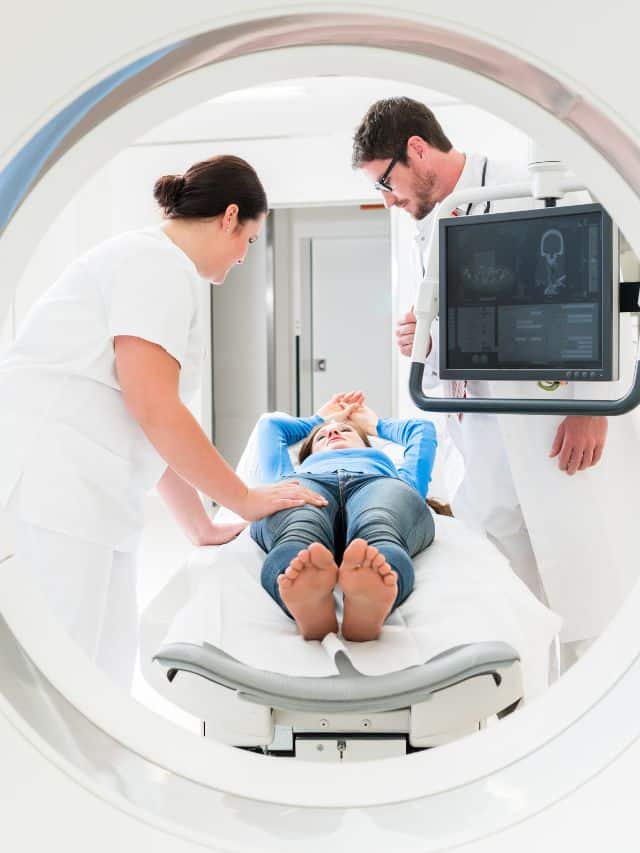
MRI Chandigarh is your one-stop destination for advanced medical imaging and diagnostic services in Chandigarh. As one of the most trusted MRI centres in Chandigarh, we provide cutting-edge radio-imaging solutions, including both 1.5 Tesla and 3 Tesla MRI scans, at highly competitive prices—without compromising on quality.
We offer quick, accurate, and affordable MRI scans in Chandigarh with no hidden charges. Our experienced radiologists ensure timely results and, if needed, offer recommendations for further medical consultation based on your MRI report.
The cost of an MRI scan in Chandigarh varies depending on the type of scan and the diagnostic center. Prices typically start from ₹3,800 to ₹5,500. For example, 1.5 Tesla MRI scans may begin at ₹3,800, while 3 Tesla MRI scans are priced higher due to their advanced imaging capabilities. It's advisable to contact local MRI centers for precise pricing.
Preparation for an MRI scan generally involves minimal steps. For most MRI scans, you can maintain your regular diet. However, for abdominal scans, fasting for 3-4 hours prior to the procedure may be required. Wear loose-fitting, metal-free clothing, and inform your radiologist about any existing medical conditions, allergies, or implants.
Yes, MRI scans are generally considered safe as they do not use ionizing radiation. However, patients with certain implants like pacemakers should inform their doctor beforehand. It's crucial to remove all metal objects before the scan to prevent any risks associated with the MRI's strong magnetic field.
The duration of an MRI scan depends on the area being examined but typically ranges from 15 minutes to over an hour. For instance, a brain MRI may take about 30 to 60 minutes, while joint MRIs like knee or shoulder can take 15 to 45 minutes. Advanced 3 Tesla MRI machines can perform scans faster, enhancing patient comfort.
Chandigarh hosts several reputable MRI centres equipped with state-of-the-art technology and experienced radiologists. Centers like MRI Chandigarh are known for their advanced imaging services, including 1.5 Tesla and 3 Tesla MRI scans, and patient-centric care. It's recommended to research and choose a center that best fits your diagnostic needs.
While some diagnostic centers may allow self-referred MRI scans, it's advisable to consult with a healthcare professional to ensure the appropriateness of the scan and to provide the necessary clinical context for accurate interpretation.
Yes, certain MRI centres in Chandigarh offer complimentary pick-up and drop-off services within the Tricity area (Chandigarh, Mohali, Panchkula) to enhance patient convenience. It's best to inquire with the specific MRI center about the availability of such services. We provide free pick and drop in tricity for all scans including CT Scan & PET Scan too.
We are the leading diagnostic centre in Chandigarh providing comprehensive radio diagnostic services including MRI, CT Scan, PET Scan, Ultrasound, X-ray, Echocardiogram, ECG, and EEG at affordable rates with same-day reporting.
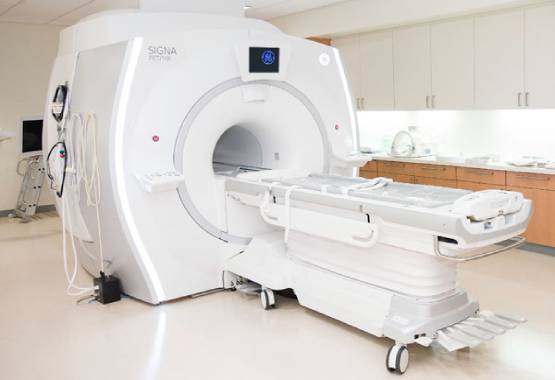
Experience the most comfortable and advanced MRI scans in Chandigarh with our high-field strength 1.5 Tesla and 3.0 Tesla machines. Our state-of-the-art MRI technology delivers exceptional quality diagnostic images for accurate results. Located in Sector 34, we provide the most reliable MRI services in Chandigarh Tricity at affordable rates.
Our Chandigarh diagnostic center provides world-class CT Scan facilities at the most competitive prices in the tricity region. Equipped with low-radiation dose CT scanners and operated by skilled technicians, we ensure the safest and most accurate CT scan services in Chandigarh, Mohali and Panchkula area.
Get the most affordable PET scan in Chandigarh at just Rs.16,000, the lowest price in the tricity region. Our all-inclusive package offers free pickup and drop, complimentary meals, and patient comfort amenities. Our Chandigarh PET scan center uses state-of-the-art technology for early cancer detection and treatment monitoring.
Our Chandigarh diagnostic center offers high-precision ultrasound services including 2D, 3D, and 4D scans. We use latest technology equipment at our partner diagnostic facilities across Chandigarh Sectors 34, 35, and 22. Our experienced radiologists provide accurate results for abdominal, pregnancy, thyroid, and other specialized ultrasound examinations.
Our network of partner X-ray centers in Chandigarh offers affordable digital X-ray services with instant results. Using advanced digital radiography technology, we provide high-quality bone and soft tissue imaging with minimal radiation exposure. Visit our X-ray diagnostic facilities in Sectors 34, 22, and 17 of Chandigarh for quick and reliable service.

Our diagnostic center in Chandigarh provides comprehensive cardiac and neurological testing including Echocardiography (Echo), Electrocardiogram (ECG), and Electroencephalogram (EEG). We offer the most affordable rates for these specialized tests in the Chandigarh region with reports prepared by experienced cardiologists and neurologists for accurate diagnosis.
As the leading diagnostic imaging center in Chandigarh, we provide comprehensive radiology services including MRI, CT Scan, PET-CT, Ultrasound, X-ray, Echocardiography, ECG, and EEG. Our state-of-the-art facilities are equipped with the latest diagnostic technology to deliver accurate results for patients across Chandigarh, Mohali, and Panchkula.
Visit our centers in Sector 34, Sector 22, or Sector 17 Chandigarh for the best diagnostic experience. Book your appointment today for high-quality, affordable diagnostic services in Chandigarh.
Are you a soon-to-be mother who’s confused about the right pregnancy scan to take? Well, worry not because we’ve got you covered! Pregnancy scans are essential for monitoring fetal development and identifying potential complications. But with so many options available today, finding the right one can be daunting. In this post, we’ll help simplify your decision-making process by breaking down each scan type and its purpose. Whether you’re curious about 3D or want to know more about routine sonograms – keep reading to make an informed choice that suits your needs perfectly!
If you’re like most expectant parents, you’re probably wondering what pregnancy scans are and whether or not you should get one. Pregnancy scans are ultrasounds that allow you to see your baby in the womb. They can be performed as early as six weeks into your pregnancy, and many parents opt to get at least one scan during their pregnancy.
There are a few different types of pregnancy scans, and the one that’s right for you will depend on how far along you are in your pregnancy and what kind of information you’re hoping to learn from the scan. Here’s a quick overview of the most common types of pregnancy scans:
Early Scan: An early scan is usually performed between six and 10 weeks into your pregnancy. This type of scan is generally used to confirm your due date, check for multiple pregnancies, and assess your baby’s development.
Anomaly Scan: An anomaly scan is typically performed between 18 and 21 weeks into your pregnancy. This scan is used to check for any structural abnormalities in your baby’s development.
Growth Scan: A growth scan is usually done between 28 and 40 weeks into your pregnancy. This type of scan is used to monitor your baby’s growth and development, as well as to assess their position in the womb. It can also be helpful in detecting twins or other multiples.
Doppler Flow Study: A Doppler flow study may be performed at any point during your pregnancy.
If you are like most pregnant women, you will want to have at least one scan during your first trimester. Scans can provide important information about your baby’s development and can help to identify any potential problems.
There are two main types of scans that are carried out during the first trimester: the dating scan and the nuchal translucency scan.
The dating scan is usually carried out at around 8-14 weeks of pregnancy. It is used to confirm how many weeks pregnant you are and to check your baby’s development. The scan is also an opportunity to check for any twins or multiple pregnancies.
The nuchal translucency scan is usually carried out at around 12 weeks of pregnancy. It is used to assess the risk of your baby having certain chromosomal abnormalities, such as Down’s syndrome.
Your decision about whether or not to have a first-trimester scan is personal. You may wish to speak to your GP or midwife about what is right for you.
If you’re pregnant with your first baby, you may be wondering which pregnancy scan is right for you. Here’s a guide to help you make the choice.
Second-trimester scans are generally performed between 18-20 weeks of gestation. They are used to check the baby’s anatomy and screen for any potential problems. The most common second-trimester scan is the fetal anomaly scan, also known as the 20-week scan. This scan is usually performed in a hospital by a specialist sonographer.
The fetal anomaly scan includes a detailed examination of the baby’s anatomy. It can detect some major abnormalities, such as spina bifida and certain heart defects. The scan can also pick up on less serious conditions, such as kidney abnormalities and cleft lip/palate.
If everything appears normal on the fetal anomaly scan, you will be given the all-clear to continue your pregnancy without any further monitoring. However, if there are any anomalies detected, further tests and investigations may be recommended. These could include amniocentesis (a test to look for genetic disorders) or an echocardiogram (an ultrasound of the heart).
You may also be offered an elective screening test at this time, such as the nuchal translucency scan (NT scan). This is a screening test for Down’s syndrome and other chromosomal abnormalities. It involves measuring the thickness of fluid at the back
During the third trimester, your healthcare provider will likely order two types of scans: an anatomy scan and a growth scan.
An anatomy scan, also called a level 2 ultrasound, is a detailed scan of your baby. This scan is usually done around weeks 20-22 of pregnancy. The purpose of this scan is to check for any birth defects or problems with your baby’s organs.
A growth scan is used to check on the size and growth of your baby. This scan is usually done around week 32 of pregnancy, but may be done earlier if you are considered high-risk for delivering a small baby. Growth scans are important because they can help identify possible problems such as intrauterine growth restriction (IUGR).
When you’re pregnant, you want to do everything possible to ensure a healthy pregnancy and delivery. But with all the choices out there, it can be hard to know which prenatal tests and screenings are right for you. Here’s a look at the pros and cons of each type of pregnancy scan:
First trimester:
Pros: Can check for certain birth defects, including Down syndrome and neural tube defects. Can help determine your due date. May help peace of mind if you’ve had a previous miscarriage.
Cons: Might not be 100% accurate in predicting your due date. You may have to wait a few weeks for results if you choose to have an amniocentesis.
Second trimester:
Pros: Can detect more serious birth defects than can be seen in the first trimester. Can help determine your baby’s sex. Gives you a chance to bond with your baby by seeing them on the screen.
Cons: You may have to wait a few weeks for results if you choose to have an amniocentesis.
Third trimester:
Pros: Can assess your baby’s size and growth rate. Allows you to hear your baby’s heartbeat. May give peace of mind if you’ve had a previous stillbirth or premature delivery.
Cons: none!
When you receive the results of your pregnancy scan, it is important to remember that the sonographer who carried out the scan is experienced in looking at images like this, and will be able to spot any abnormalities. However, if you are concerned about anything you see in the results, please speak to your GP or midwife.
The results of your pregnancy scan will show how many weeks pregnant you are, as well as the position of your baby and whether you are expecting more than one baby. The image below shows a typical set of results from a dating scan.
If you have had a previous miscarriage or ectopic pregnancy, it is possible that you may see an empty gestational sac on the scan, which can be a very upsetting sight. However, it is important to remember that this can sometimes happen in a healthy pregnancy too. If you have any concerns, please speak to your GP or midwife.
If you’re pregnant and considering having a scan, it’s important to know which type of scan is right for you and what to expect. Here’s a guide to help you prepare for your pregnancy scan:
Ultrasound scans use sound waves to create an image of your baby in the womb. They are painless and safe, and can be performed at any stage of pregnancy.
Before having an ultrasound scan, you will need to undress and lie on a bed or couch. The person performing the scan will apply gel to your abdomen and move a hand-held device called a transducer over your skin.
The transducer emits sound waves that bounce off your baby and are then converted into electrical signals. These signals are used to create an image of your baby on a screen. Ultrasound scans can take up to 30 minutes.
MRI scans use magnetic fields and radio waves to produce images of your baby in the womb. They are painless and safe but can be more expensive than ultrasound scans.
Before having an MRI scan, you will need to undress and lie on a bed that slides into the MRI machine. The machine will make loud noises during the scan, but you will be able to listen to music through headphones to help block out the noise.
MRI scans usually take 30-60 minutes.
With all the latest technology out there, you can be sure that when it comes to pregnancy scans you have plenty of options. Whether you want a more thorough scan or some extra peace of mind, different types of scans are available to create an even more accurate picture of your baby’s health at various stages in its development. Whichever type is right for you and depending on your level of comfort about the process throughout each trimester, make sure to talk with your doctor and decide what is best for both yourself and your unborn baby.
You can call us for More Information, at 8699572364
Follow us on Social Pages: mrichandigarh
Instagram: Mri Chandigarh
Mail us at [email protected]
Tweet: Mri Chandigarh
Linked In: Mri Chandigarh


