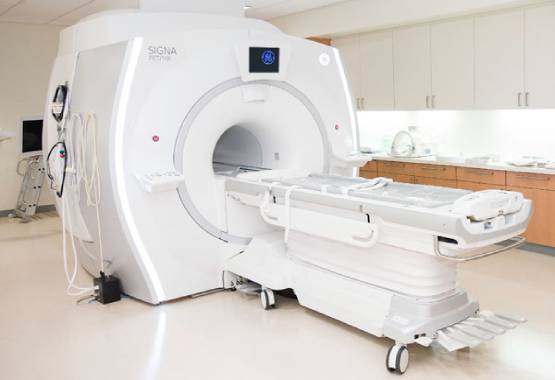
Best Diagnostic Center in Chandigarh for All Medical Imaging Needs
As the leading diagnostic imaging center in Chandigarh, we provide comprehensive radiology services including MRI, CT Scan, PET-CT, Ultrasound, X-ray, Echocardiography, ECG, and EEG. Our state-of-the-art facilities are equipped with the latest diagnostic technology to deliver accurate results for patients across Chandigarh, Mohali, and Panchkula.
Why Choose Our Diagnostic Services in Chandigarh?
- Advanced technology with 1.5T and 3.0T MRI scanners
- Most affordable rates for all diagnostic tests in Chandigarh Tricity
- Same-day reporting by specialized radiologists
- Conveniently located centers across Chandigarh
- Complimentary pick and drop services for patients
- Open 7 days a week including holidays
Visit our centers in Sector 34, Sector 22, or Sector 17 Chandigarh for the best diagnostic experience. Book your appointment today for high-quality, affordable diagnostic services in Chandigarh.
Can A Pet Scan Give Insight Into Alzheimer’s And Dementia?
Dementia is a progressive condition that wears down an individual’s memory, cognitive and executive functioning, and other skills. It can be difficult to diagnose since there is no single test that can tell a clinician whether or not someone has Alzheimer’s or another form of dementia. In recent years, some medical experts believe PET scans may be able to detect dementia in its early stages. Read on to find out if this technology could be the answer to a more accurate diagnosis of the condition.
What Is PET Scan?
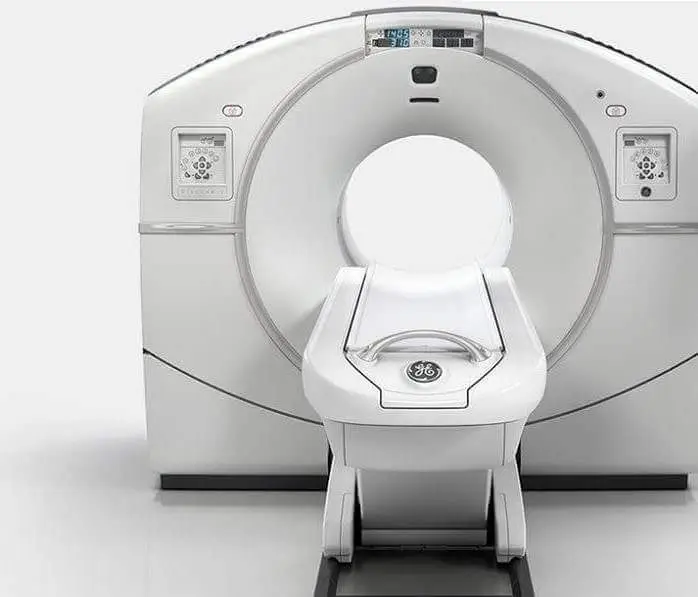
A PET scan is a test that uses a special camera and a small amount of radioactive sugar solution to take pictures of how your organs are working. The test can help find problems with your heart, brain, or other organs.
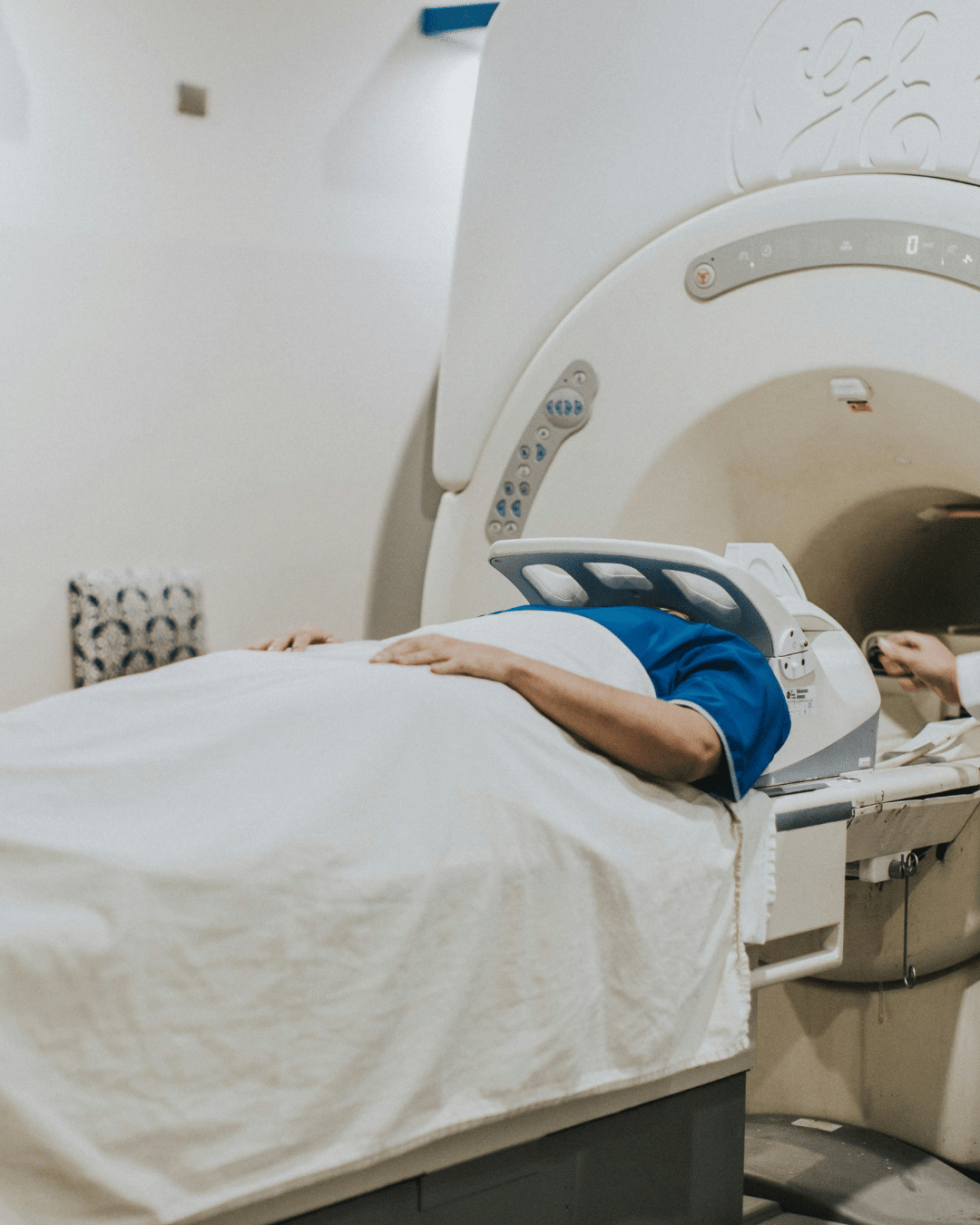
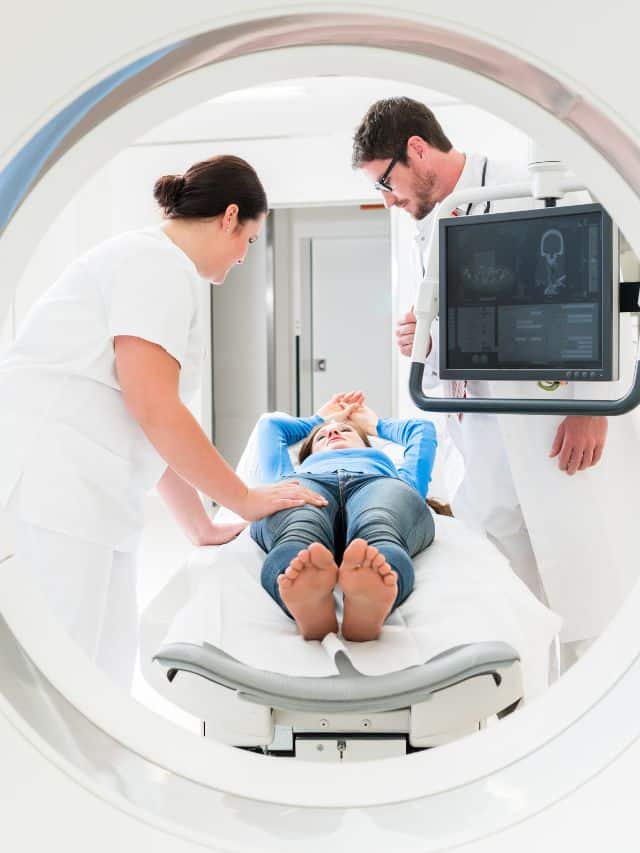
For the PET scan, you will drink or inject a small amount of the radioactive sugar solution. A special camera will take pictures of your organs as the sugar solution moves through them. The pictures will be read by a computer and give your doctor important information about how well your organs are working.
Does It Detect Alzheimer’s or Dementia?
Early onset Alzheimer’s disease (AD) and dementia can be difficult to detect. A PET scan may help to reveal changes in the brain that could be related to AD or dementia. Researchers are still working to understand how well PET scans can detect these conditions.
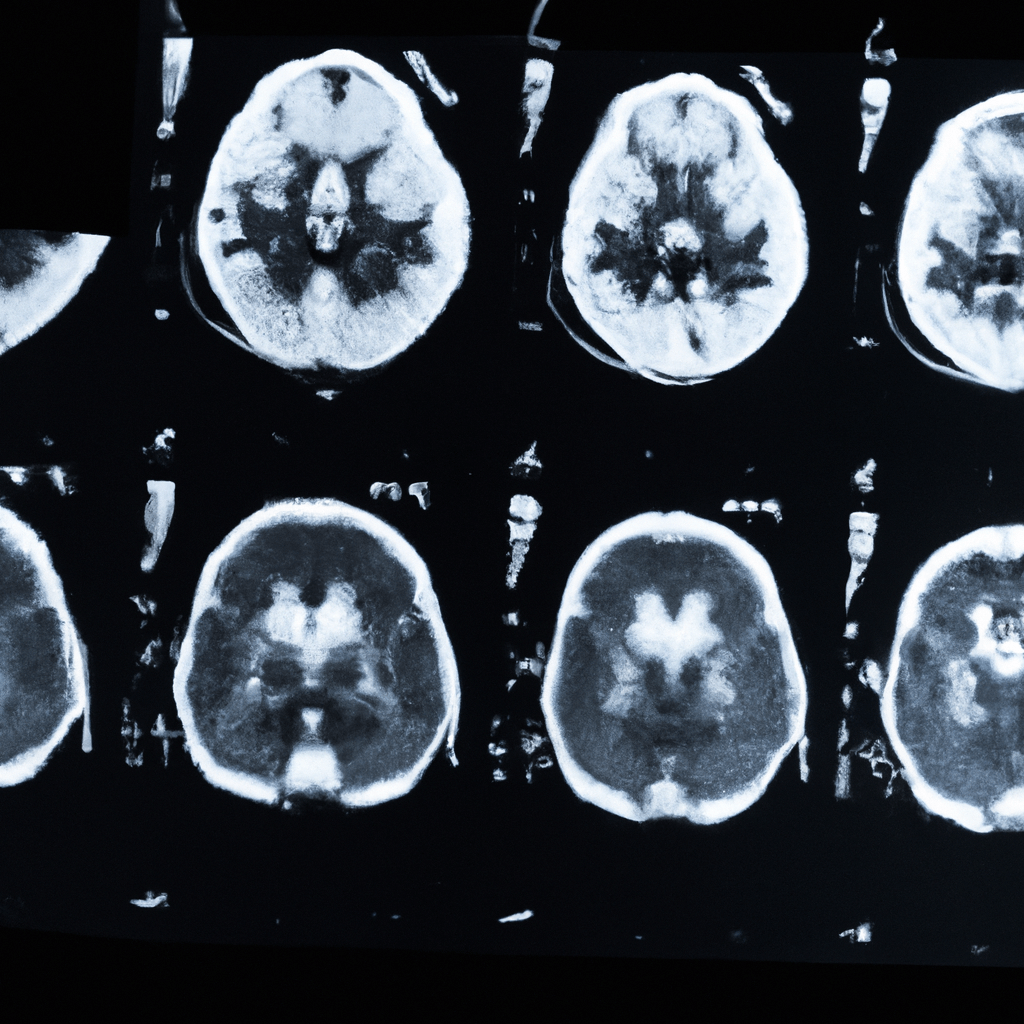
PET scans use a radioactive tracer to show activity in the brain. The tracer is injected into a vein, and it travels through the bloodstream to the brain. The tracer binds to proteins involved in metabolism, which can be abnormal in people with AD or dementia. The scanner then takes pictures of the brain, which can show areas of abnormal activity.
A recent study found that PET scans may be able to detect early AD changes in people who do not yet have any symptoms of the condition. However, it is not yet clear how well PET scans can predict whether someone will develop AD or not. More research is needed to determine how useful PET scans are for detecting Alzheimer’s disease and dementia.
What Are the Benefits Of A PET Scan For These Conditions?
Positron emission tomography (PET) scans can provide valuable information for people with Alzheimer’s disease and other forms of dementia. PET scans can help doctors diagnose dementia, track the progression of the disease, and plan treatment.
- A PET scan is a type of imaging test that uses special cameras and radioactive tracers to create detailed pictures of organs and tissues. The tracer used in a PET scan is injected into the patient’s vein, and it travels through the bloodstream and collects in areas of high activity.
- Areas of high activity show up as bright spots on the PET scan images. For people with Alzheimer’s disease, the most notable areas of high activity are usually in the brain regions responsible for memory and cognition.
- Doctors can use PET scan images to assess how well a person with Alzheimer’s disease is responding to treatment. PET scans can also be helpful in predicting how the disease will progress.
Side Effects and Risks
There are a few risks associated with PET scans, but they are generally very safe. The most common side effect is mild discomfort from lying still for the duration of the scan. You may also feel a small amount of pressure when the scanner moves over your body.
If you are allergic to iodine or other contrast materials, you may have a reaction to the injection used during the scan. Tell your doctor if you have any allergies before having the scan.
PET scans use radiation, so there is always a small risk of developing cancer from exposure to this radiation. However, the amount of radiation you’re exposed to during a PET scan is very low, and the risk is thought to be much lower than that of other imaging tests such as CT scans.
In What Situation Is A PET Scan Recommended For Diagnosing Dementia?
A PET scan is usually recommended for diagnosing dementia when a person experiences memory problems and other dementia symptoms, but the cause is unknown. A PET scan can help to rule out other possible causes of these symptoms, such as a stroke or head injury.
How Do The Results of A PET Scan Impact Treatment Options for Dementia?
A PET scan can provide a great deal of insight into the progression of Alzheimer’s and dementia. The results of a PET scan can help doctors to better understand the cause of dementia, which can then guide treatment options.
For example, if the PET scan shows that the dementia is caused by a build-up of plaque in the brain, doctors may recommend lifestyle changes and medications that can help to remove the plaque. If the PET scan shows that the dementia is caused by inflammation, doctors may recommend anti-inflammatory medications.
The results of a PET scan can also help to determine how far along the disease has progressed. This information can be used to make decisions about whether or not to begin certain treatments, such as medication or surgery.
In general, the results of a PET scan can be very useful in guiding the treatment of dementia. However, it is important to remember that each case is unique and that not all treatment options will work for everyone.
Alternatives to PET Scans for Dementia Detection
There are a few alternative methods for detecting dementia that does not involve PET scans. One common method is to simply ask the person being tested a series of questions and then score their responses. This is called the Mini-Mental State Examination (MMSE) and it can give some insight into whether or not a person has dementia.
Another alternative method is to use MRI scans instead of PET scans. MRI scans can sometimes provide more detailed information about the brain than PET scans. However, MRI scans are more expensive and may not be covered by insurance.
yet another method that can be used to detect dementia is neuropsychological testing. This type of testing can be used to assess memory, attention, language, and other cognitive abilities. Neuropsychological testing is often administered by a psychologist or other trained professional.
Conclusion
PET scans are a powerful diagnostic Scan when it comes to diagnosing Alzheimer’s and other forms of dementia. The fact that they can detect unusual patterns and concentrations of certain chemicals in the brain gives us insight into how these conditions manifest within our bodies. While PET scans are not a definitive diagnosis for dementia, their results can help provide greater clarity for doctors when making diagnoses. Ultimately, with more research and technology, we may be able to get closer to finding treatments and cures for these devastating diseases.
You can call us for More Information, at 8699572364
Follow us on Social Pages: mrichandigarh
Instagram: Mri Chandigarh
Mail us at [email protected]
Tweet: Mri Chandigarh
Linked In: Mri Chandigarh