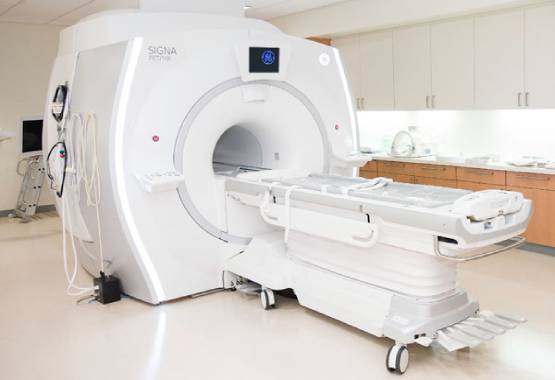
Best Diagnostic Center in Chandigarh for All Medical Imaging Needs
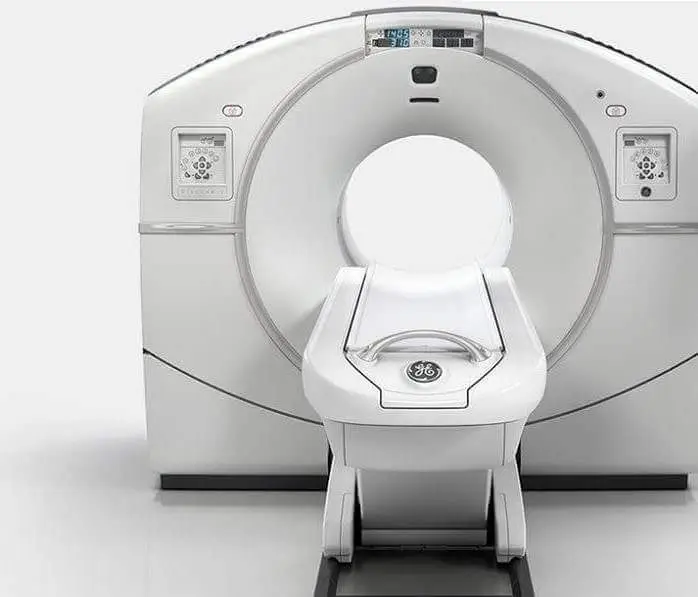
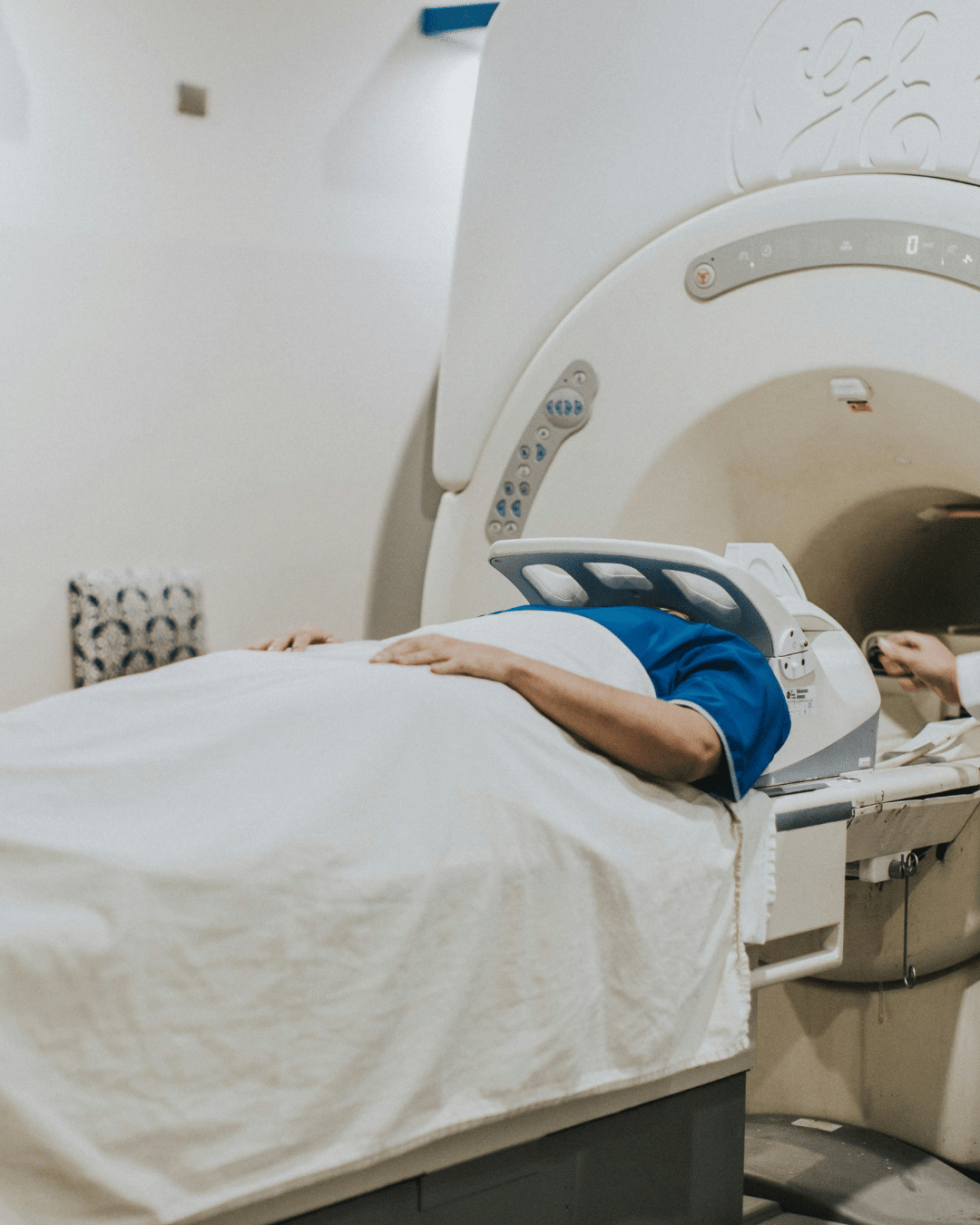
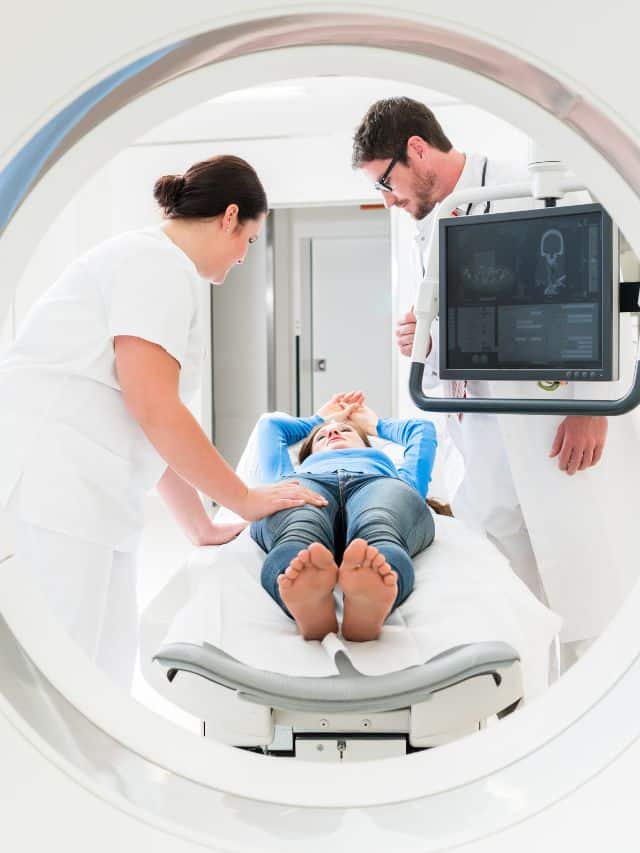
As the leading diagnostic imaging center in Chandigarh, we provide comprehensive radiology services including MRI, CT Scan, PET-CT, Ultrasound, X-ray, Echocardiography, ECG, and EEG. Our state-of-the-art facilities are equipped with the latest diagnostic technology to deliver accurate results for patients across Chandigarh, Mohali, and Panchkula.
Why Choose Our Diagnostic Services in Chandigarh?
- Advanced technology with 1.5T and 3.0T MRI scanners
- Most affordable rates for all diagnostic tests in Chandigarh Tricity
- Same-day reporting by specialized radiologists
- Conveniently located centers across Chandigarh
- Complimentary pick and drop services for patients
- Open 7 days a week including holidays
Visit our centers in Sector 34, Sector 22, or Sector 17 Chandigarh for the best diagnostic experience. Book your appointment today for high-quality, affordable diagnostic services in Chandigarh.
What You Need To Know About PSMA PET Scans And Their Pitfalls
The use of PSMA PET scans for diagnosing cancers has become commonplace. However, it’s important to understand their limitations and pitfalls in order to make the most informed decision possible. Read on to find out what you need to know about PSMA PET scans and their pitfalls!
Introduction to PSMA PET Scans
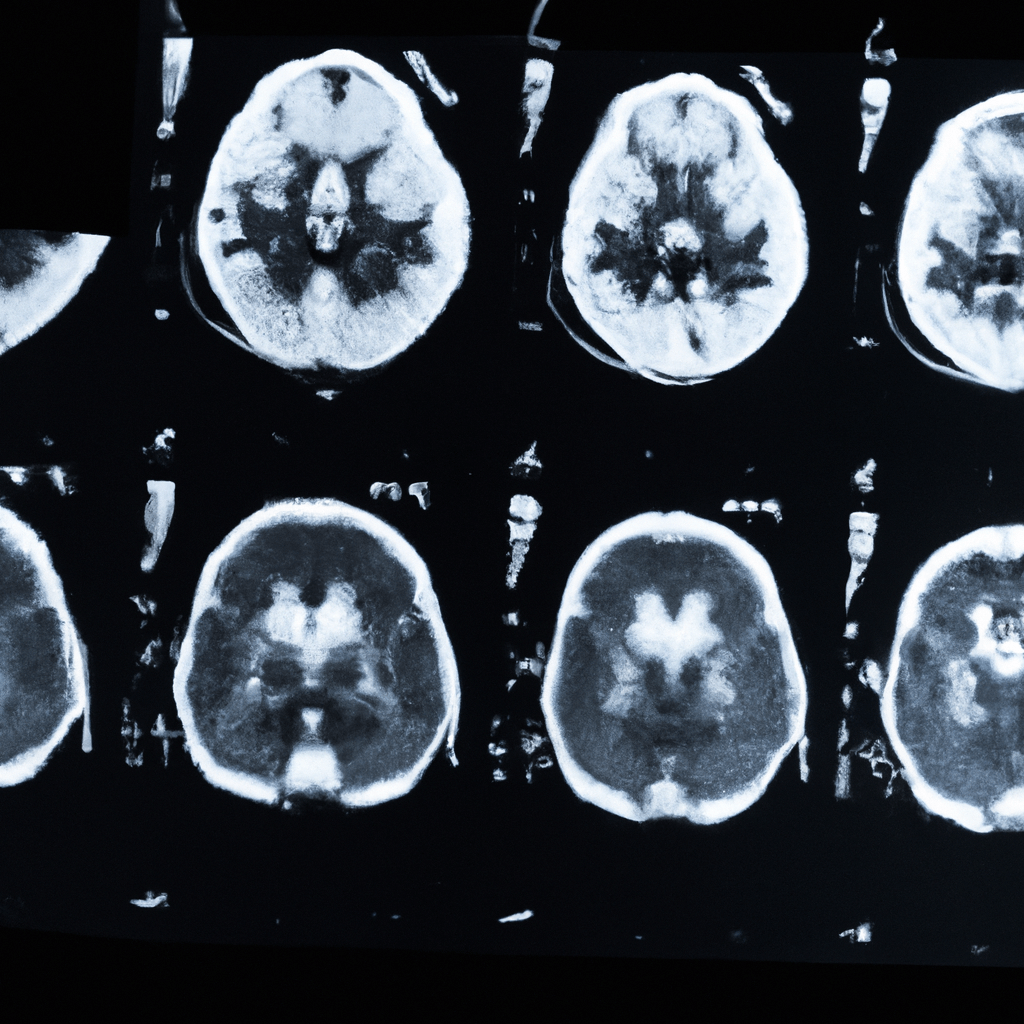
A PSMA PET scan is a new and effective way to image prostate cancer. This type of scan uses a radiotracer that is specifically targeted to the prostate-specific membrane antigen (PSMA), which is overexpressed in most prostate cancers. PSMA PET scans have been shown to be more accurate than traditional PET scans in detecting small, aggressive, and metastatic prostate cancers.
The main advantage of PSMA PET scans over traditional PET scans is their greater accuracy in detecting small, aggressive, and metastatic prostate cancers. In one study, PSMA PET scans correctly identified 96% of patients with advanced prostate cancer, while traditional PET scans correctly identified only 66% of patients with advanced disease. Furthermore, PSMA PET scans are able to detect cancer that has spread to other parts of the body much earlier than traditional PET scans. This allows for earlier diagnosis and treatment of the disease, which can improve patient outcomes.
PSMA PET scans also have a few disadvantages. First, they are currently only available at a limited number of facilities due to the need for specialized equipment. Second, the scan itself is more expensive than a traditional PET scan. Finally, as with all diagnostic tests, there is a small chance that the test will result in a false positive or false negative result.
Benefits of PSMA PET Scans
PSMA PET scans are highly sensitive and specific for the identification of recurrent prostate cancer. They can detect small lesions that may not be visible on other imaging modalities such as CT or MRI, and can help determine the stage of the disease. PSMA PET scans can also help guide treatment decisions, including surgery, radiation therapy, and chemotherapy. In addition, PSMA PET scans may be used to monitor response to treatment and check for recurrence.
What Are the Pitfalls of Psma Pet Scans?
While PSMA PET scans are considered to be highly accurate, there are a few potential pitfalls that should be considered. One potential pitfall is the possibility of false positive results. This means that the scan may show that cancer is present when it is not. While this is not common, it can occur in up to 5% of cases. False negatives are also possible, which means the scan does not show cancer when it is actually present. However, this is much less common, occurring in less than 1% of cases.
Another potential pitfall is that PSMA PET scans are not always able to accurately stage cancer. This means that the scan may not be able to tell how advanced the cancer is or if it has spread to other parts of the body. While this information can sometimes be gleaned from other tests, such as biopsies, it is not always possible.
Finally, it is important to remember that PSMA PET scans are relatively new and there is still some uncertainty about their long-term effectiveness. More research is needed in order to determine how well they work over time and whether or not they are safe for use in all patients.
How To Prepare For a Psma Pet Scan?
If you are scheduled to have a PSMA PET scan, there are a few things that you should do in order to prepare for the test. First, you will need to fast for at least six hours before the scan. You should also avoid drinking any caffeinated beverages during this time. Second, you will need to remove all jewelry and metal objects from your body. This includes watches, rings, necklaces, and even piercings. Third, you will need to wear loose-fitting clothing that does not have any metal fasteners. Fourth, you will need to sign a consent form prior to the scan. Finally, you may be asked to drink a contrast solution before the scan in order to help improve the images.
How Accurate Is the Test Result?
PSMA PET scans are often used to determine whether or not a man has prostate cancer. But how accurate are they?
PSMA PET scans have been found to be quite accurate in detecting the presence of prostate cancer. In one study, PSMA PET scans were able to correctly identify 95% of men who had prostate cancer. However, the accuracy of the test decreases when used to detect early-stage prostate cancer. In another study, PSMA PET scans were able to correctly identify only 80% of men with early-stage prostate cancer.
So, while PSMA PET scans are quite accurate in detecting prostate cancer, they are not perfect. false negatives do occur, and the test is less accurate in detecting early-stage disease.
Possible Side Effects and Complications
PSMA PET scans are associated with several possible side effects and complications. These include false-positive results, which can lead to unnecessary surgery or biopsies, and false-negative results, which can lead to delayed diagnosis and treatment. Additionally, PSMA PET scans are not yet FDA-approved for use in the United States, and as such, there is limited data on their efficacy and safety. Finally, PSMA PET scans are expensive, costing upwards of $2000 per scan.
Alternatives To Psma Pet Scans
Although PSMA PET scans are the most accurate way to diagnose prostate cancer, there are some alternatives that may be considered.
One alternative is an MRI/MRA scan. This type of scan can provide very detailed images of the prostate and can help to rule out other causes of symptoms, such as an enlarged prostate. However, MRI/MRA scans are not able to show if there is cancer present in the prostate.
Another alternative is transrectal ultrasound (TRUS). This test can be used to measure the size of the prostate and to look for any suspicious areas. However, TRUS alone is not accurate enough to diagnose prostate cancer.
The best way to accurately diagnose prostate cancer is with a PSMA PET scan. However, if this test is not available or if you are unable to have it performed, then MRI/MRA or TRUS may be considered as alternatives.
Conclusion
PSMA PET scans can be a valuable tool for detecting disease or helping physicians decide on the best course of treatment. However, it is important to have an understanding of its drawbacks and limitations before considering this test. For example, false positives may occur in certain areas of the body due to increased background activity from other organs. It is crucial to weigh both benefits and risks before electing a PSMA PET scan as one’s preferred imaging procedure.
You can call us for More Information, at 8699572364
Follow us on Social Pages: mrichandigarh
Instagram: Mri Chandigarh
Mail us at [email protected]
Tweet: Mri Chandigarh
Linked In: Mri Chandigarh