
Description
Bronchoscopy is a medical procedure used to examine the airways and lungs. It allows doctors to look directly inside the bronchial tubes to identify infections, tumors, bleeding, or blockages that may be affecting breathing.
This minimally invasive test plays a key role in diagnosing and treating many lung and respiratory conditions.
What Is a Bronchoscopy?
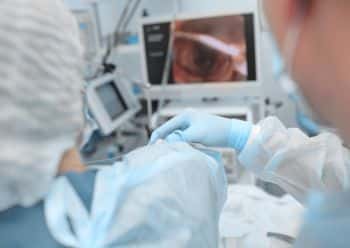
A bronchoscopy uses a thin, flexible tube called a bronchoscope, which has a camera and light at its tip. The tube is gently passed through the nose or mouth into the lungs, providing real-time images of the airways.
Why Is a Bronchoscopy Performed?
Doctors recommend bronchoscopy to:
- Investigate persistent cough or breathing problems
- Diagnose lung infections
- Detect lung tumors or blockages
- Evaluate bleeding in the airways
- Collect tissue or fluid samples
How Is Bronchoscopy Done?
The patient is given local anesthesia and mild sedation. The bronchoscope is gently inserted through the nose or mouth and guided into the lungs. Samples may be taken if needed.
The procedure usually takes 30 to 60 minutes.
Benefits of Bronchoscopy
- Direct visualization of the airways
- Accurate diagnosis of lung diseases
- Allows tissue sampling without surgery
- Minimally invasive and safe
Book a Bronchoscopy
If you have ongoing respiratory symptoms, abnormal chest imaging, or unexplained coughing, a bronchoscopy can help your doctor identify the cause and guide proper treatment.

Comments