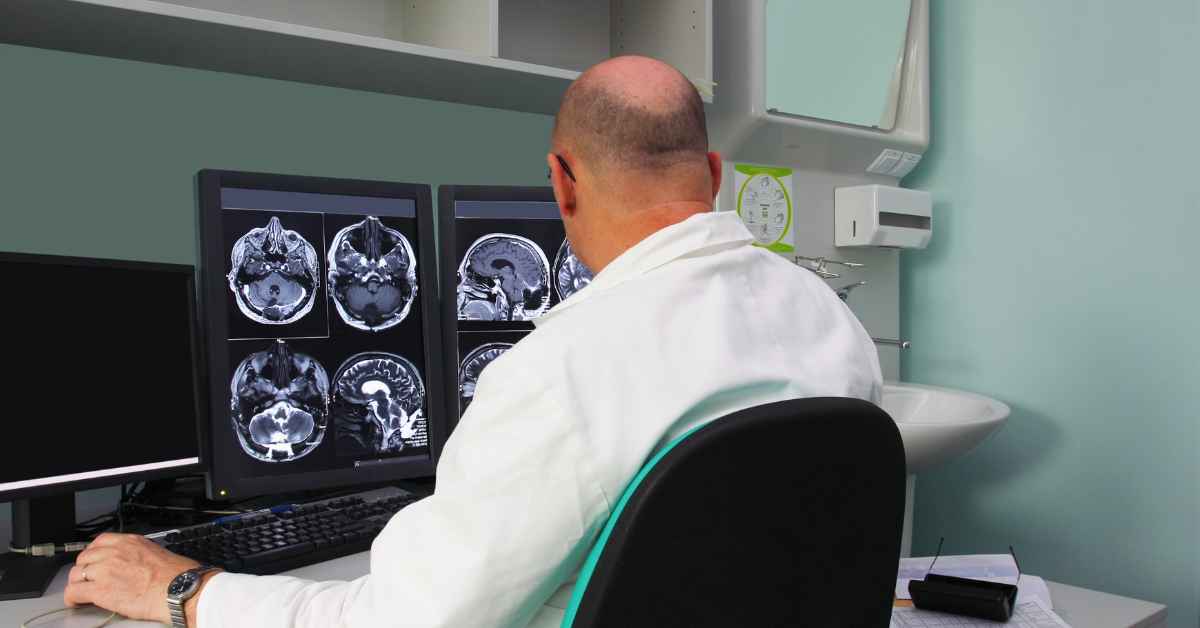
PET scans, also known as PET CT scans, are advanced imaging tests that help doctors understand how organs and tissues are functioning at a metabolic level. Unlike traditional imaging tests that mainly show structure, PET scans provide functional information that is crucial for accurate diagnosis and treatment planning.
This article explains what PET scan services are, when they are recommended, and how modern PET CT technology supports better medical decisions.
What Is a PET Scan?
A PET (Positron Emission Tomography) scan is a nuclear imaging test that uses a small amount of radioactive tracer to detect metabolic activity in the body. Areas with abnormal cellular activity, such as cancer cells, often absorb more tracer and appear highlighted on PET images.
PET scans are commonly combined with CT scans to form a PET CT scan, which provides both functional and anatomical details in a single examination.
When Are PET Scan Services Recommended?
Doctors may recommend PET scan services for several medical reasons, including:
- Cancer detection and staging
- Monitoring response to cancer treatment
- Detecting cancer recurrence
- Evaluating neurological conditions
- Assessing certain heart conditions
Because PET scans show how tissues function rather than just how they look, they are especially useful when other imaging tests provide limited information.
Benefits of PET CT Scan Technology
Modern PET CT technology offers multiple advantages in clinical practice:
- Early detection: Identifies disease at an early metabolic stage
- Accurate staging: Helps determine the extent of disease spread
- Treatment monitoring: Evaluates how well therapy is working
- Comprehensive imaging: Combines functional and structural data
- Better clinical decisions: Supports precise treatment planning
These benefits make PET CT scans an essential part of advanced diagnostic imaging, particularly in oncology.
How PET Scan Services Support Cancer Care
In cancer management, PET scan services play a key role throughout the treatment journey. They help oncologists:
- Identify the primary tumor
- Detect metastasis
- Evaluate treatment effectiveness
- Decide on changes in therapy when needed
Because of their accuracy, PET scans often reduce the need for unnecessary procedures and help guide more targeted treatment strategies.
Safety and Preparation for PET Scans
PET scans are generally safe when performed under proper medical supervision. The amount of radioactive tracer used is small and carefully controlled. Most patients are advised to fast for a few hours before the scan, and specific preparation instructions are provided based on the type of PET scan being performed.
Following preparation guidelines helps ensure accurate imaging and reliable results.
Understanding PET Scan Services Better
If you would like to understand how PET scan services are performed, what to expect during the procedure, and how results are interpreted, you can learn more about PET Scan services on our main information page.
Why PET Scan Technology Continues to Evolve
Advancements in PET CT technology continue to improve image quality, reduce scan time, and enhance diagnostic accuracy. As technology evolves, PET scans are becoming even more valuable in supporting early diagnosis and personalized treatment planning.
Learn more about PET Scan services
Final Note: This article is intended for general educational purposes. Patients should always consult their referring doctor or specialist to determine whether a PET scan is appropriate for their specific medical condition.

Subscribe
0 Comments

Comments