What is Standardized Uptake Value (SUV)?
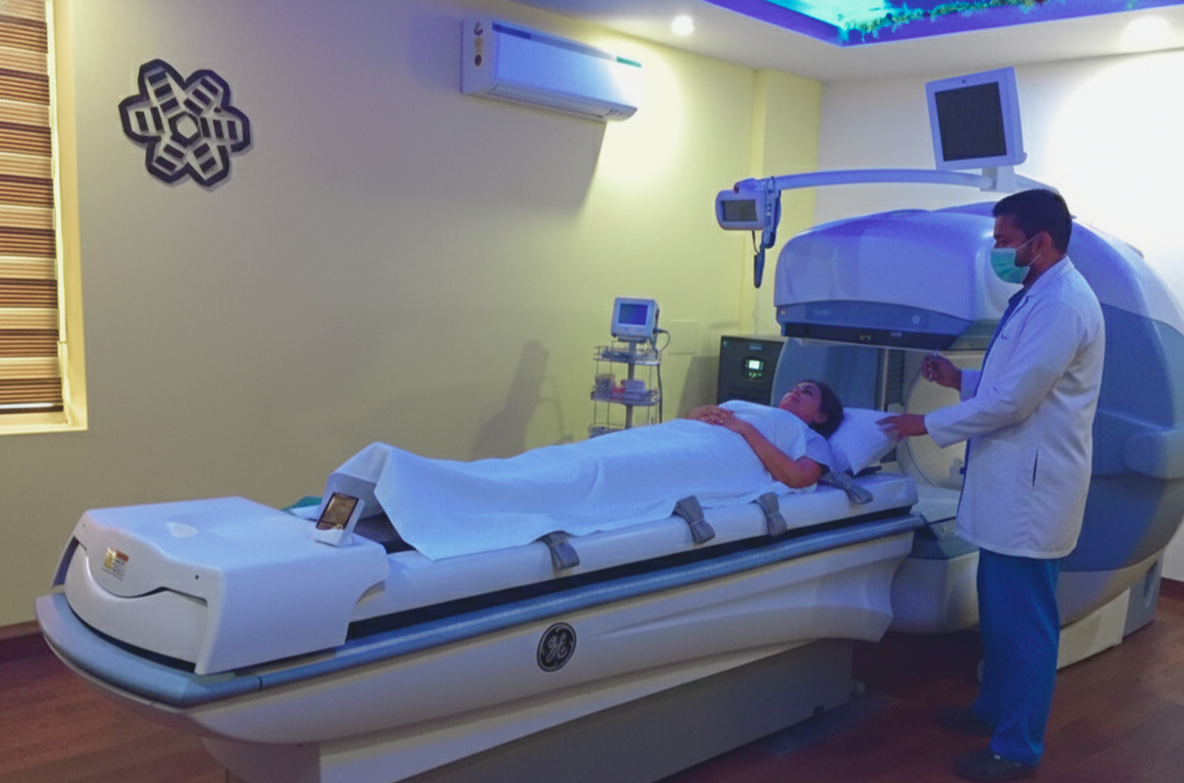
In Nuclear Medicine, the Standardized Uptake Value (SUV) is a semi-quantitative tool used to measure the concentration of a radioactive tracer (typically 18F-FDG) in a specific region of interest compared to the rest of the body. While a PET-CT scan provides a visual map of metabolic activity, the SUV provides a numerical value that helps clinicians differentiate between benign and malignant lesions.
The SUV Max-the highest metabolic activity recorded within a tumor-is the most commonly cited metric in oncology reports. It serves as a biomarker for tumor aggressiveness and is vital for monitoring how a patient is responding to chemotherapy or targeted biological therapies.
Our imaging protocols for oncology (FDG, PSMA, DOTA) follow the latest EANM (European Association of Nuclear Medicine) and SNMMI guidelines, ensuring your results are valid for international consultations and clinical trials.
Is a High SUV Always Cancer?
A common misconception among patients is that a high SUV score automatically confirms malignancy. However, from a clinical standpoint, SUV must be interpreted with caution. Several non-cancerous conditions can exhibit high metabolic activity, including:
- Acute Inflammation: Active infections or healing tissues can sequester FDG.
- Granulomatous Diseases: Conditions like Tuberculosis or Sarcoidosis often show high SUV Max values, mimicking lymphoma or lung cancer.
- Physiological Uptake: Normal metabolic activity in the brain, heart, and vocal cords can result in naturally high SUV readings.
This is why the expertise of a Nuclear Medicine Specialist is critical. We do not look at the number in isolation; we correlate it with the anatomical findings of the 128-slice CT component to provide a definitive diagnosis.
The Impact of 128-Slice Technology on SUV Accuracy
SUV calculation is highly sensitive to the quality of the scanner. Older 16 or 64-slice machines can produce “partial volume effects,” where small tumors appear to have a lower SUV than they actually do.
At MRI Chandigarh, our advanced 128-slice Siemens and GE systems provide superior attenuation correction and spatial resolution. This ensures that the SUV Max reported is an accurate reflection of the tumor’s metabolic state, allowing for precise staging and PGI-standard reporting.
Factors Affecting SUV Measurement
To ensure a reliable SUV reading, strict physiological control is required during the “uptake period.” At our Chandigarh center, we manage the following variables:
| Variable | Clinical Impact |
|---|---|
| Serum Glucose | High blood sugar competes with the FDG tracer, artificially lowering the SUV. |
| Uptake Time | Scanning too early or too late can lead to inconsistent SUV quantification. |
| Patient Weight | SUV is calculated based on injected dose per kg of body weight; accurate weighing is mandatory. |
Expert Reporting in Chandigarh
Patients referred from institutes like PGIMER (PGI) require reports that go beyond just listing numbers. Our reports, signed by Dr. KDS Rana (MD), provide a qualitative and quantitative analysis of metabolic changes, offering oncologists a clear roadmap for treatment.
Whether you are undergoing a routine cancer follow-up or an initial staging, our facility provides the clinical depth required for a life-saving diagnosis. We offer the Whole Body PET-CT Scan at ₹12,999, combining specialist expertise with the Tricity’s most accessible pricing model.
For Expert Consultation and Bookings
MRI Chandigarh | Sector 35, Chandigarh (Opposite PGI Road)
24/7 Helpline: +91 8699572364
Specializing in 128-Slice PET-CT, PSMA, and DOTA Scans
Download your high-resolution digital films and reports 24/7 via our secure patient portal. Instant WhatsApp alerts when your report is ready.

Subscribe
0 Comments

Comments