
Description
Endoscopic Retrograde Cholangiopancreatography (ERCP) is a specialized medical procedure that combines endoscopy and fluoroscopy (X-ray imaging) to diagnose and treat conditions affecting the liver, gallbladder, bile ducts, and pancreas.
This minimally invasive technique allows a gastroenterologist to examine the bile and pancreatic ducts in detail and perform therapeutic procedures during the same session.
What Is ERCP?
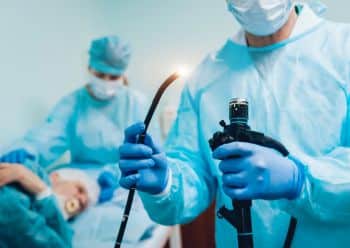
ERCP involves passing a thin, flexible tube called an endoscope through the mouth into the stomach and small intestine. A contrast dye is then injected into the bile and pancreatic ducts, and X-ray images are taken to identify blockages, stones, strictures, or tumors.
Why Is ERCP Performed?
ERCP is commonly used to:
- Remove gallstones from bile ducts
- Treat bile duct blockages or narrowing
- Evaluate jaundice or abnormal liver tests
- Diagnose pancreatic or bile duct tumors
- Place stents to keep ducts open
How Is ERCP Done?
The patient is given sedation for comfort. An endoscope is gently passed through the mouth into the small intestine. Contrast dye is injected into the ducts, and X-ray images are taken to guide diagnosis and treatment.
The procedure usually takes 30 to 60 minutes.
Benefits of ERCP
- Allows diagnosis and treatment in one procedure
- Minimally invasive compared to surgery
- Provides detailed images of bile and pancreatic ducts
- Helps relieve obstructions quickly
Book an ERCP Procedure
If you have bile duct or pancreatic problems such as jaundice, abdominal pain, or abnormal imaging results, ERCP offers a precise and effective way to diagnose and treat the condition.

Comments