
Description
Electroencephalography (EEG) is a painless and non-invasive test used to measure the electrical activity of the brain. It helps doctors understand how brain cells communicate and is widely used to diagnose and monitor neurological conditions.
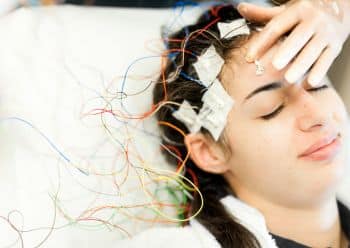
EEG records brain wave patterns through small electrodes placed on the scalp, providing valuable information about brain function.
What Is an EEG?
An EEG is a diagnostic test that captures the electrical signals produced by the brain. These signals are displayed as wave patterns, which doctors analyze to detect abnormalities.
Why Is an EEG Performed?
An EEG is commonly used to:
- Diagnose epilepsy and seizure disorders
- Evaluate unexplained fainting or blackouts
- Assess sleep disorders
- Detect brain inflammation or infections
- Monitor brain function after injury or surgery
How Is an EEG Performed?
Small metal discs called electrodes are attached to the scalp using a special paste or cap. The patient relaxes while brain signals are recorded.
The test is painless and usually takes 20 to 60 minutes.
Advantages of EEG
- Safe and non-invasive
- No radiation exposure
- Provides real-time brain activity
- Helps diagnose neurological disorders
Book an EEG Test
If you are experiencing seizures, headaches, memory problems, or other neurological symptoms, an EEG can help your doctor understand your brain activity and guide appropriate treatment.

Comments