
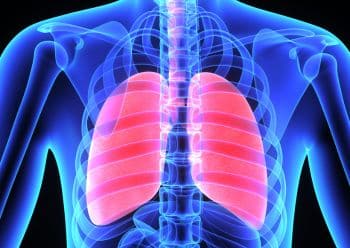
Description
CT Pulmonary Angiography (CTPA) is an advanced CT imaging test used to evaluate the blood vessels of the lungs. It is the most accurate and commonly used method for detecting pulmonary embolism (blood clots in the lungs) and other pulmonary vascular conditions.
This non-invasive scan uses contrast-enhanced CT technology to produce high-resolution images of the pulmonary arteries, allowing doctors to quickly identify blockages or abnormal blood flow.
What Is CT Pulmonary Angiography?
CT Pulmonary Angiography is a type of CT angiography in which a contrast dye is injected into a vein to make the lung blood vessels clearly visible on CT images. It shows the structure and blood flow of the pulmonary arteries in great detail.
Why Is CT Pulmonary Angiography Performed?
This scan is recommended to:
- Detect or rule out pulmonary embolism
- Evaluate sudden shortness of breath or chest pain
- Assess lung circulation
- Identify pulmonary artery abnormalities
- Monitor known pulmonary vascular disease
How Is the Scan Performed?
A contrast dye is injected into a vein, usually in the arm. You will lie on a CT scanner table while rapid images are taken as the dye flows through the lung blood vessels.
The scan is painless and typically completed within 10 to 15 minutes.
Benefits of CT Pulmonary Angiography
- Fast and highly accurate detection of lung blood clots
- Non-invasive and widely available
- Provides clear images of pulmonary circulation
- Helps guide immediate treatment decisions
Book CT Pulmonary Angiography
If you have symptoms such as sudden breathlessness, chest pain, or unexplained cough, a CT Pulmonary Angiography offers a quick and reliable way to evaluate lung blood flow and ensure timely treatment.

Comments