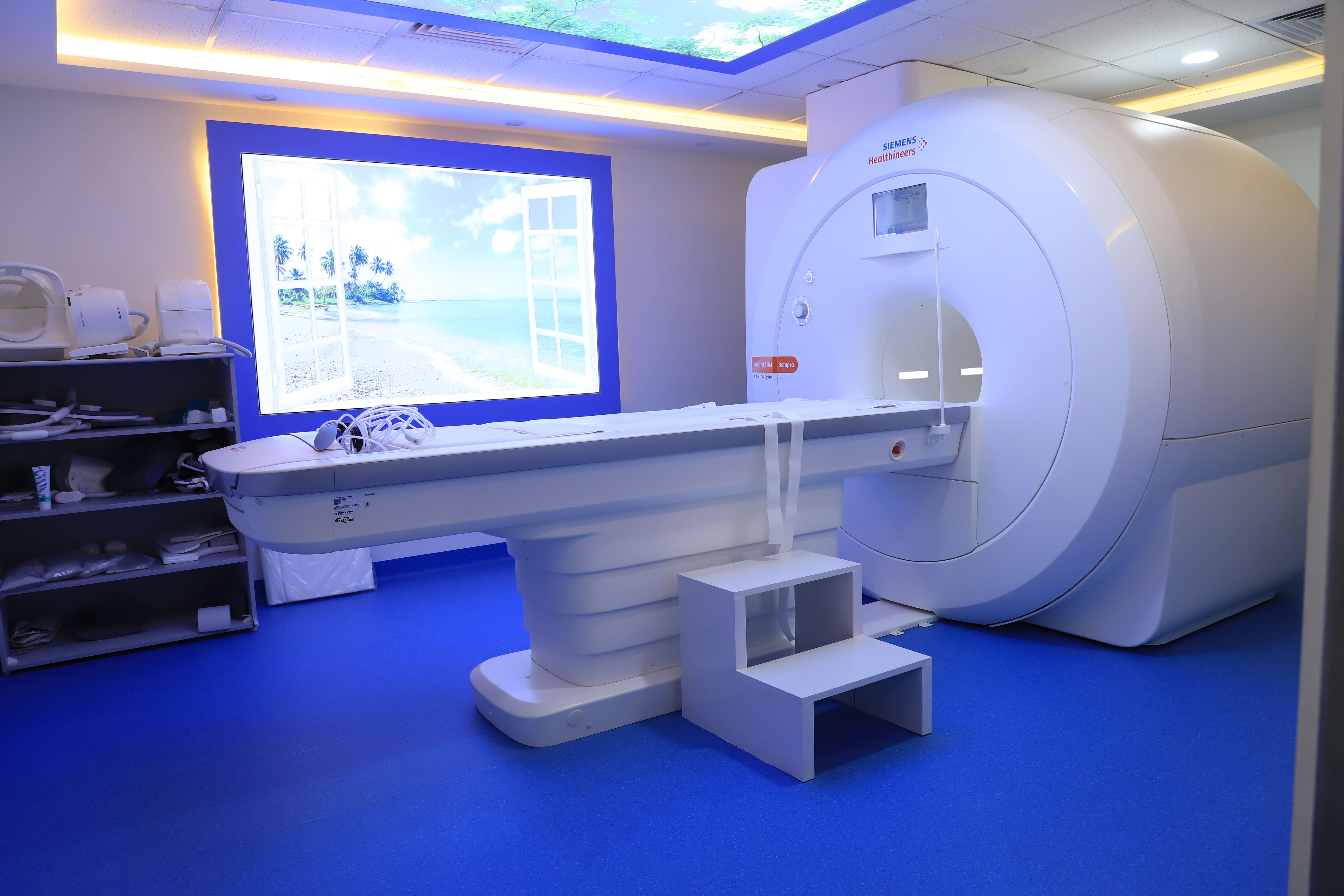
When your doctor recommends a PET Scan, it is natural to feel anxious. Many patients worry about radiation exposure, pain during the procedure, and how to prepare for the scan. Understanding the process can help you feel more comfortable and confident.
If you are planning to get a PET Scan in Chandigarh, this guide will address the most common concerns patients have before the scan.
What is a PET Scan?
A PET Scan (Positron Emission Tomography) is an advanced imaging test that helps doctors see how organs and tissues are functioning inside the body. Unlike regular imaging tests that only show structure, a PET scan shows metabolic activity, helping detect diseases earlier.
Doctors commonly recommend PET scans for:
- Detecting and staging cancer
- Evaluating heart function
- Diagnosing brain disorders
- Monitoring treatment progress
Often, PET scans are combined with CT scans for more precise imaging.
Concern #1: Is PET Scan Radiation Dangerous?
One of the most common fears patients have is radiation exposure.
The PET scan uses a small amount of radioactive tracer, which is injected into the body. This tracer allows the scanner to detect areas with higher metabolic activity.
However, it is important to understand:
- The radiation dose is low and medically controlled
- The tracer naturally leaves your body within a few hours
- The procedure is approved and widely used worldwide
For most patients, the benefits of accurate diagnosis far outweigh the minimal radiation exposure.
Doctors generally avoid PET scans only in certain cases like pregnancy, unless absolutely necessary.
Concern #2: Is a PET Scan Painful?
Many people imagine the scan to be uncomfortable, but the procedure is generally painless.
Here is what usually happens during a PET scan:
- A small IV injection is given to administer the tracer.
- You rest quietly for about 45–60 minutes while the tracer spreads in your body.
- You lie on a comfortable scanning table that moves slowly through the scanner.
You do not feel the radiation or the scanning process.
The only minor discomfort may be from the IV needle, similar to a routine blood test.
Concern #3: How Should You Prepare for a PET Scan?
Proper preparation helps ensure accurate results.
1. Fasting
Patients are usually asked to avoid food for 4–6 hours before the scan. Drinking water is generally allowed.
2. Avoid Heavy Exercise
Strenuous activity before the scan can affect metabolic activity in muscles, which may interfere with results.
3. Wear Comfortable Clothing
Loose and comfortable clothes are recommended. In some cases, you may be asked to change into a hospital gown.
4. Inform Your Doctor
Tell your doctor if you:
- Have diabetes
- Are pregnant or breastfeeding
- Are taking any medications
How Long Does a PET Scan Take?
A complete PET scan appointment usually takes 1.5 to 2 hours.
The timeline typically includes:
- Registration and preparation
- Injection of tracer
- Resting period for tracer absorption
- Actual scanning (about 20–30 minutes)
After the scan, patients can usually resume normal activities.
After the PET Scan
After your PET scan:
- Drink plenty of water to help flush the tracer from your body.
- Avoid prolonged close contact with infants or pregnant women for a few hours.
- Results are typically reviewed by a radiologist and sent to your doctor.
Choosing a PET Scan Center in Chandigarh
When selecting a center for a PET Scan in Chandigarh, consider the following factors:
- Advanced imaging technology
- Experienced radiologists
- Proper patient safety protocols
- Accurate and timely reports
A reliable diagnostic center ensures precision, comfort, and safety during the scan.
Final Thoughts
Feeling nervous before a medical test is completely normal. The good news is that a PET scan is safe, painless, and highly effective for early diagnosis and treatment planning.
If your doctor has recommended a PET scan, understanding the process can help you approach the test with confidence and peace of mind.
Early detection through advanced imaging can make a significant difference in treatment outcomes and overall health.

Subscribe
0 Comments

Comments