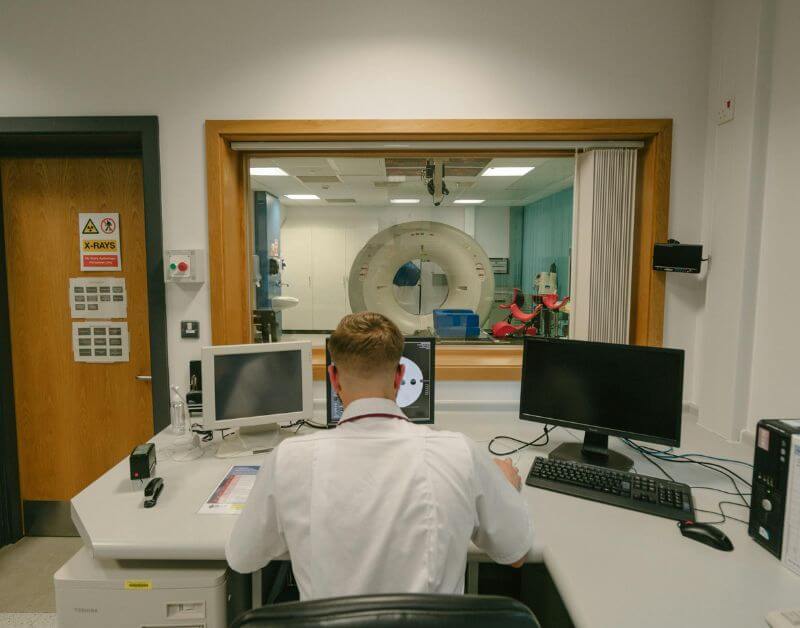
An MRI scan is one of the most useful imaging tests doctors use to look inside the body without surgery. It helps create detailed pictures of organs, tissues, joints, blood vessels, and the nervous system, making it valuable for diagnosing many conditions.

What is MRI?
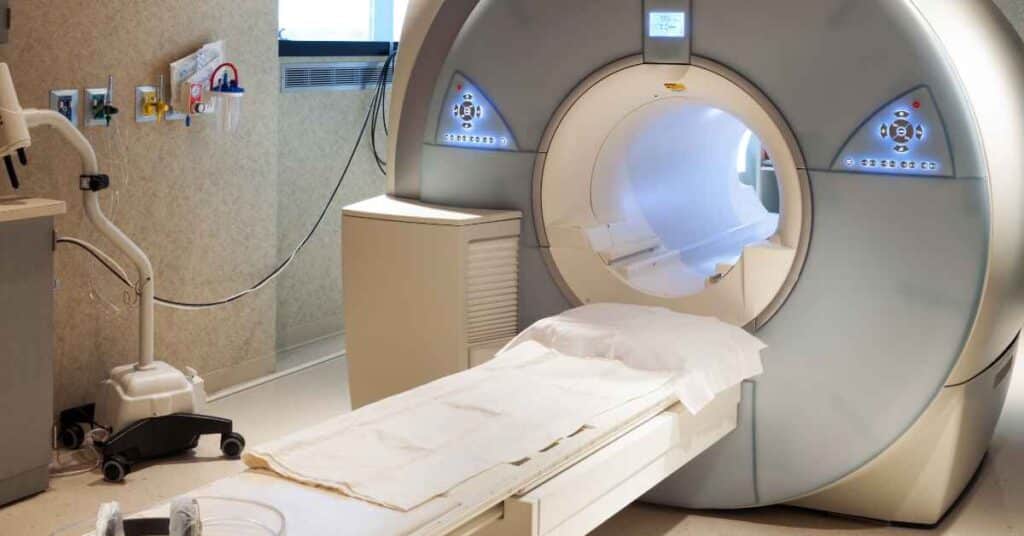
MRI stands for Magnetic Resonance Imaging. It uses a strong magnet, radio waves, and a computer to create detailed images of internal body structures.
Unlike X-rays or CT scans, MRI does not use ionizing radiation, which is one reason it is widely used for soft tissue imaging.
MRI scans can examine the brain, spinal cord, joints, bones, blood vessels, heart, and many internal organs.
Why is MRI done?
Doctors recommend an MRI when they need a clearer view of a body part or want to diagnose a problem more accurately. It is commonly used to check injuries, tumors, inflammation, infections, and diseases that affect soft tissues.
MRI is especially helpful for:
- Brain and spine conditions.
- Joint and bone problems.
- Heart and blood vessel evaluation.
- Abdominal and pelvic disorders.
- Cancer detection and treatment follow-up.
In many cases, MRI gives more detail than other scans, which helps doctors plan the right treatment.
What can MRI detect?
MRI can detect a wide range of conditions because it gives highly detailed pictures of soft tissues and internal organs.
Common findings include:
- Brain tumors.
- Stroke.
- Multiple sclerosis.
- Aneurysms.
- Spinal disc problems.
- Joint injuries.
- Arthritis.
- Bone infections.
- Tumors and cysts.
- Heart and blood vessel problems.
- Liver, kidney, and pelvic abnormalities.
MRI is also used to see how far a cancer may have spread and to monitor treatment progress.
Risks of MRI
MRI is generally considered safe, but it is not suitable for everyone in every situation.
Possible concerns include:
- Some metal implants or devices may not be compatible with MRI.
- The scanner can feel narrow or uncomfortable for some patients.
- The machine makes loud knocking sounds during the scan.
- Some people may feel anxious or claustrophobic inside the scanner.
- If contrast is used, doctors may screen for allergy history or kidney issues.
Before the scan, patients should always inform the imaging center about implants, pregnancy, or any medical devices.
How MRI helps doctors
MRI helps doctors see problems early and with better clarity, especially in areas where bones or complex structures can hide abnormalities on other scans.
This makes MRI useful for accurate diagnosis, treatment planning, and follow-up care in many specialties.
When should you consider MRI?
A doctor may suggest MRI if you have:
- Persistent headaches or neurological symptoms.
- Back pain with nerve involvement.
- Joint pain or injury.
- Unexplained abdominal pain.
- Signs of tumors, infection, or inflammation.
- Heart or vessel-related concerns.
FAQ for MRI Complete Guide
Does MRI hurt?
No, an MRI scan is not painful. Some people may feel uncomfortable lying still for a long time or may feel anxious inside the scanner, but the scan itself does not cause pain.
What happens during an MRI scan?
You usually lie on a table that slides into the MRI machine. The technologist stays nearby, and you may hear loud knocking or clicking sounds while the images are being taken.
Can I eat or drink before an MRI?
It depends on the type of MRI and whether contrast is being used. Some scans need fasting, while others do not, so it is best to follow the instructions given by your doctor or scan center.
Conclusion
MRI is a powerful, non-invasive scan that helps doctors diagnose many conditions with high accuracy. It is especially valuable for the brain, spine, joints, blood vessels, and internal organs, while remaining generally safe for most patients.

Subscribe
0 Comments

Comments